
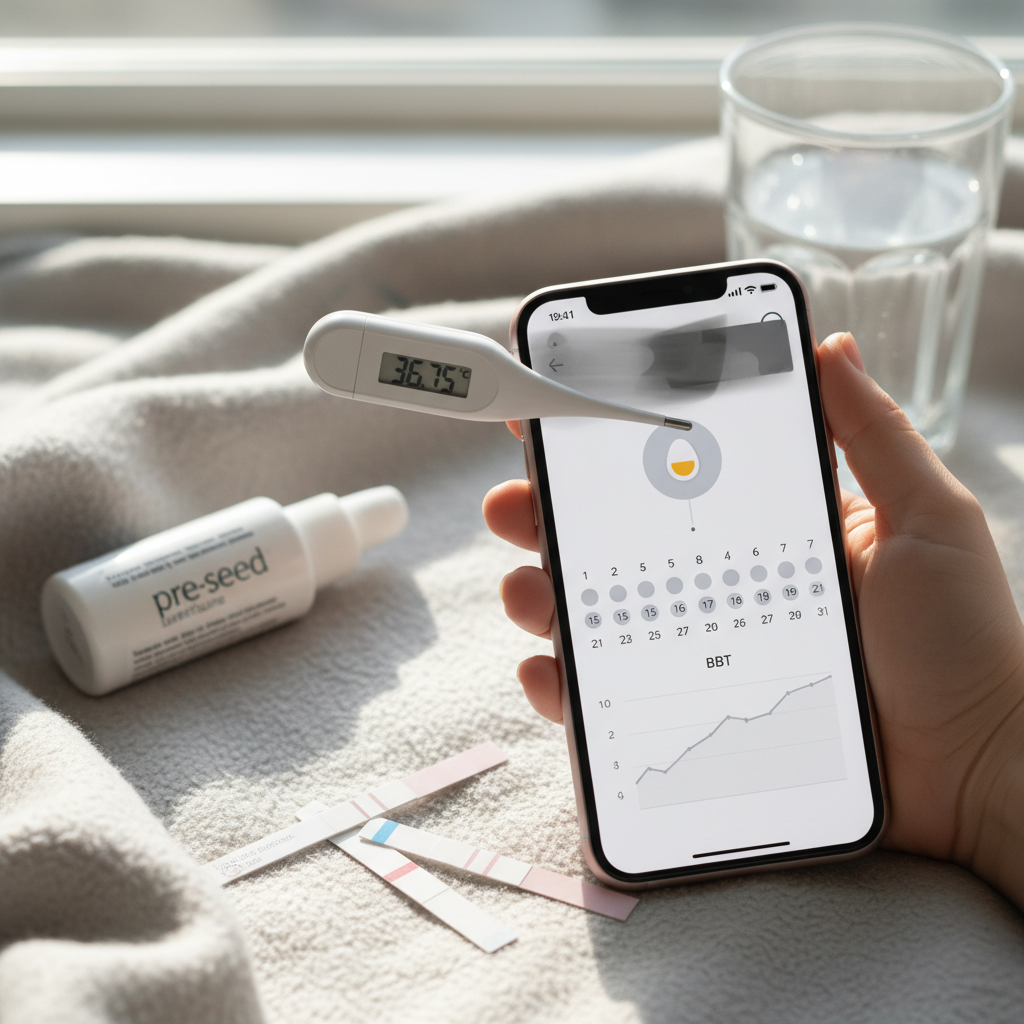
The Crucial Role of Ovulation Tracking in Conception Success
For couples embarking on the journey of trying to conceive (TTC), the timing of intercourse is arguably the single most important factor. Getting the timing right significantly boosts the chances of fertilization. However, identifying that precise window can feel like finding a needle in a haystack, especially when relying solely on guesswork. For couples trying to optimize their chances, knowing precisely what a reliable when is the best time to get pregnant calculator provides is invaluable.
Ovulation tracking is the cornerstone of fertility awareness. It moves conception from a game of chance to a strategic, data-driven process. By understanding your unique cycle, you can pinpoint the few days each month where conception is biologically possible. This comprehensive guide will walk you through the science, the methods, and the technology available, including powerful online tools, to help you determine your most fertile time.
The fertile window is generally six days long, encompassing the five days leading up to ovulation and the day of ovulation itself. Since sperm can survive inside the female reproductive tract for up to five days, and the egg only lives for 12 to 24 hours after release, having sperm waiting for the egg is the optimal scenario for conception.
Understanding Your Fertile Window: Why Timing is Everything and Using a When is the Best Time to Get Pregnant Calculator
The human reproductive cycle is governed by hormonal shifts that culminate in the release of a mature egg from the ovary—ovulation. If you miss this narrow window, you must wait for the next cycle. This is why tracking is so essential; it maximizes the probability within each monthly attempt. Relying on the standard “Day 14” rule often leads to missed opportunities, as cycle lengths vary dramatically among individuals.
The Science of Ovulation and Hormonal Shifts
Ovulation is triggered by a surge in Luteinizing Hormone (LH). Before the LH surge, Follicle-Stimulating Hormone (FSH) helps mature the egg. Once the LH peaks, ovulation typically occurs within 24 to 36 hours. Understanding these hormonal signposts allows us to employ various tracking methods to predict this event accurately.
According to research published by the American College of Obstetricians and Gynecologists (ACOG), using fertility awareness methods, either alone or in combination with technological aids, significantly improves the ability to predict the next period and, crucially, the fertile window.
Traditional Methods of Ovulation Tracking
Before advanced digital tools became common, fertility tracking relied on observing physical signs. These methods require dedication and consistency but provide valuable real-time biological data that complements any calculator.
Basal Body Temperature (BBT) Tracking
BBT is your body’s temperature when fully at rest. After ovulation occurs, the hormone progesterone causes a slight but measurable rise (0.5 to 1.0 degree Fahrenheit) in BBT. Tracking this requires taking your temperature first thing every morning before moving. Insight: BBT confirms ovulation after it has happened, helping predict future cycles, but is less useful for predicting the fertile window in the current cycle.
Cervical Mucus Monitoring (CMM)
Changes in cervical mucus are one of the most reliable predictors of impending ovulation. As estrogen levels rise, mucus becomes clear, stretchy, and resembles raw egg whites (often called “fertile quality” or EWCM). This type of mucus is crucial as it nourishes and transports sperm. Insight: The presence of EWCM usually indicates the start of the most fertile period, often 1-3 days before ovulation.
Cervical Position Tracking
The cervix changes position and texture throughout the cycle. During the infertile phase, it is low, firm (like the tip of your nose), and closed. As ovulation approaches, it moves higher, becomes softer (like your lip), and opens slightly. Insight: While subjective, tracking cervical changes provides another layer of confirmation alongside BBT and CMM.
Leveraging Technology: The “When is the Best Time to Get Pregnant Calculator”
While manual tracking is helpful, technology offers immediate precision and removes much of the guesswork associated with interpreting subtle body changes. This is where the reliability of a sophisticated when is the best time to get pregnant calculator truly shines. These tools use algorithms based on cycle averages and inputted personal data to project the most probable date of ovulation.
For individuals with relatively regular cycles, a simple calculator can offer a strong starting point. By inputting your data, specialized tools, such as our comprehensive Ovulation Fertility Calculator, can provide an optimized timeline, drastically narrowing down the days you need to focus on.
How Digital Calculators Work
The fundamental mechanism behind most fertility calculators is the standard assumption that the luteal phase (the time between ovulation and the next period) is consistently 14 days long. Therefore, if you input your average cycle length (e.g., 28 days), the calculator subtracts 14 days to estimate the ovulation date (Day 14).
However, modern, advanced calculators often go beyond this simple arithmetic. They allow for the input of multiple data points, including BBT readings, LH strip results, and cervical mucus scores, refining the prediction over several cycles using machine learning techniques. This iterative refinement makes the calculator an increasingly powerful predictive tool the longer you use it.
Advanced Tracking: Ovulation Predictor Kits (OPKs) and Hormones
For those who need higher confidence or have slightly irregular cycles, integrating hormonal testing is the next logical step. OPKs are widely available and work similarly to pregnancy tests by measuring the level of Luteinizing Hormone (LH) in the urine.
Step 1: Start Testing Early
Begin using OPKs several days before your calculated fertile window. If your cycle is 28 days, start around Day 10. If cycles are irregular, you might need to test over a longer period.
Step 2: Detect the LH Surge
A positive OPK indicates that the LH hormone has surged. This means ovulation is highly likely to occur within the next 12 to 36 hours. This is your cue for the critical 24-hour peak fertility period.
Step 3: Confirm with Intercourse
Because the egg has a limited lifespan, intercourse should ideally happen on the day of the positive test and the day immediately following. This ensures sperm are available when the egg is released.
While OPKs are highly effective, they must be used correctly. Avoiding excessive fluid intake before testing and following the manufacturer’s specific instructions are critical for accurate results. Combining these hormone readings with the timeline provided by a when is the best time to get pregnant calculator dramatically improves precision.
Combining Methods for Maximum Accuracy: The Integrated Approach
The most successful approach to ovulation tracking is integration. No single method is 100% reliable on its own. BBT confirms ovulation, CMM predicts its onset, and OPKs provide a hormonal confirmation. A digital calculator acts as the organizational hub, synthesizing this data into a clear timeline.
“Fertility tracking is less about finding a magic bullet and more about building a reliable network of confirming signs. The best chance for conception often occurs when multiple biological indicators align with the predictive timeline given by a reliable tool.”
For couples who have been trying for a while, integrating tracking methods helps identify potential underlying issues, such as a short luteal phase or anovulatory cycles, which would warrant a discussion with a healthcare provider. For more information on cycle health and timing, the Mayo Clinic provides excellent resources on optimizing conception.
What to Input into a “When is the Best Time to Get Pregnant Calculator”
To get the most accurate prediction from any digital tool, consistent and accurate input is non-negotiable. Key data points include:
- Average Cycle Length: Measured from the first day of one period to the first day of the next.
- Luteal Phase Length (if known): While often assumed to be 14 days, some individuals have shorter or longer luteal phases.
- Date of Last Period: The starting point for the calculation.
- BBT Data: Inputting daily readings helps the algorithm recognize your unique pre- and post-ovulation temperature patterns.
Consistency in tracking this data over three to four cycles allows the calculator to establish a highly reliable personalized baseline, making future predictions much more precise than generic averages.
Practical Tips for Maximizing Fertility
Beyond tracking, several lifestyle factors can influence the success of conception. Ensuring overall health supports optimal hormonal function.
Focus on Pre-Conception Health
Both partners should maintain a healthy weight, avoid excessive caffeine and alcohol, and manage stress. Starting prenatal vitamins containing folic acid is crucial for the mother.
Optimize Intercourse Timing
Intercourse every day or every other day during the fertile window, especially the two days leading up to ovulation, is recommended. Avoid unnecessary abstinence, which can decrease sperm quality.
Avoid Lubricants that Harm Sperm
Many common lubricants can impede sperm motility. If lubrication is needed, use fertility-friendly options specifically designed to maintain sperm viability.
By diligently tracking physical signs, utilizing modern OPKs, and integrating this data into a reliable when is the best time to get pregnant calculator, you empower yourself with the knowledge needed to time intercourse effectively. This data-driven approach significantly shortens the time it takes for many couples to achieve pregnancy, turning months of uncertainty into focused, optimistic action.
In conclusion, ovulation tracking is not just about marking dates on a calendar; it is about intimately understanding the subtle symphony of hormonal changes in your body. Whether you rely heavily on manual tracking or use an advanced digital calculator, consistency and accuracy are your greatest allies on the path to conception.
FAQs
The most fertile day is typically the day immediately before ovulation, as this ensures sperm are waiting in the fallopian tube when the egg is released. However, the 2-3 days leading up to ovulation are considered the peak fertile window.
Basic ovulation calculators rely on average cycle lengths and are less accurate for highly irregular cycles. For irregular cycles, it is essential to combine the calculator results with physical tracking methods, such as daily BBT monitoring and LH test strips, to confirm the exact day of the hormonal surge.
A positive LH test indicates that ovulation is expected within 12 to 36 hours. Intercourse should occur immediately upon the positive test result and ideally on the following day to maximize the chances of meeting the egg during its short lifespan.
Basal Body Temperature (BBT) confirms ovulation after it has already occurred, showing a retrospective temperature shift. Ovulation Predictor Kits (OPKs) predict ovulation before it happens by detecting the LH surge, making them much more useful for timing intercourse in the current cycle.
Yes, combining methods is recommended. While a calculator provides a statistical estimate, cervical mucus provides real-time biological confirmation that your body is preparing for ovulation. Fertile-quality mucus (EWCM) is an excellent sign that the fertile window has opened, often before the LH surge is detectable.
Read Also:
- Analyzing Post Office FD Interest Rates 2025: A Comprehensive Guide to Using the Calculator
- Leap Year Fundamentals: Why 2026 is Not a Leap Year and Essential Calendar Facts
- Achieving a Good Profit Margin for Ecommerce Business: Strategies for Maximum Profitability
- The Ultimate Guide: Using an Income Tax Calculator New Regime vs Old Regime for Maximum Savings (2024-25)
- 5 Amazing Ways Tags Boost Views But Fail Rankings
- Mirror Text Generator Guide: Boost Social Engagement in 2026
- 50x70cm to Inches: The Ultimate 2026 Conversion & Framing Guide

