
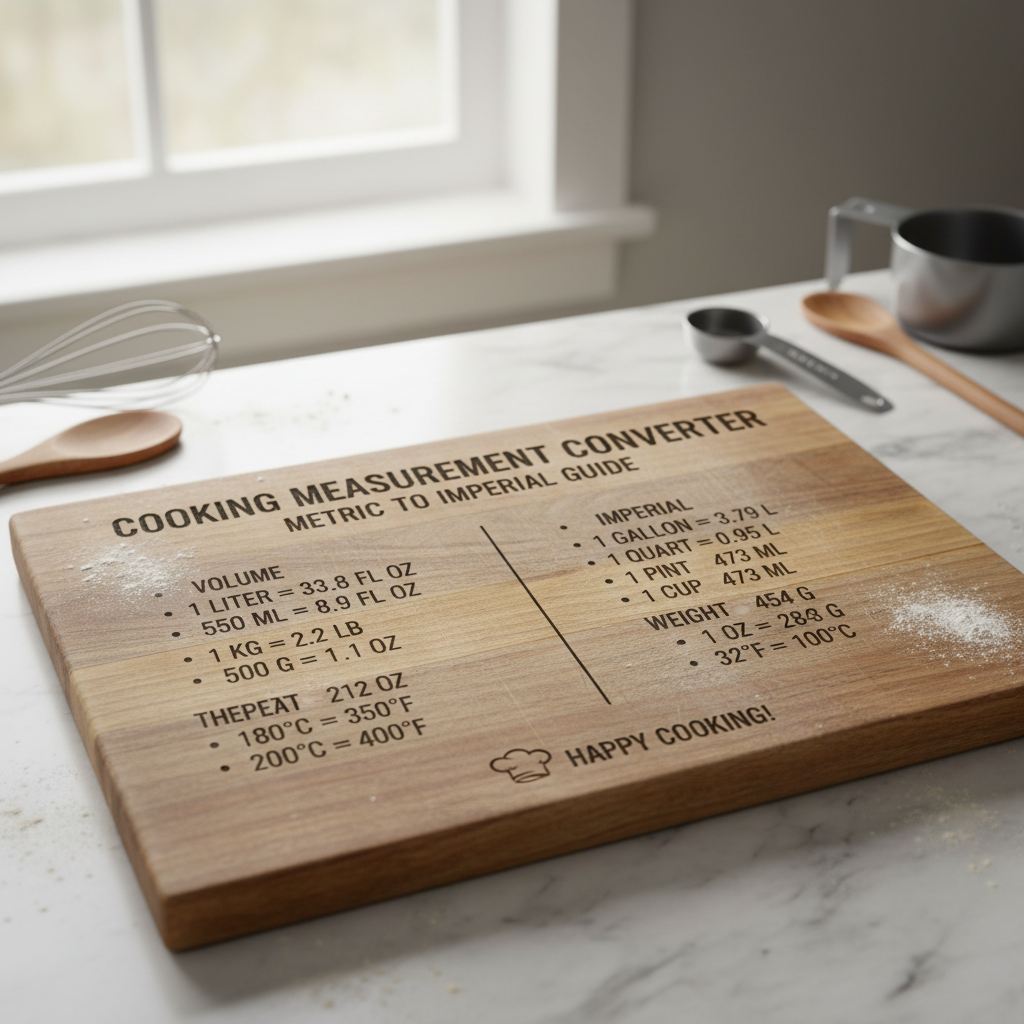
The Global Kitchen Challenge: Why You Need a Reliable Cooking Measurement Converter Metric Imperial India Tool
The joy of cooking often involves exploring recipes from around the world. Whether you are baking a delicate French pastry, whipping up an American casserole, or following an authentic Indian regional recipe, you quickly encounter a universal hurdle: incompatible measurement systems. Many regions, including the United States, still rely heavily on the Imperial system (cups, ounces, Fahrenheit), while the vast majority of the world, including scientific and professional culinary environments, uses the Metric system (grams, milliliters, Celsius). For home cooks in dynamic markets like India, where both systems frequently appear in cookbooks and ingredient packaging, having a precise cooking measurement converter metric imperial india resource is not just convenient—it’s absolutely essential for success.
In the high-stakes world of baking and precise cooking, getting your conversions wrong by even a small margin can lead to disastrous results. This comprehensive guide provides you with the definitive tools, tables, and expert advice needed to seamlessly translate measurements, ensuring your culinary creations turn out perfectly every time.
Understanding the Core Differences: Metric vs. Imperial
The primary difference between Metric and Imperial systems lies in their structure. Metric is based on powers of ten (decimal system), making calculations straightforward (1000 grams in a kilogram). Imperial, conversely, uses seemingly arbitrary relationships (16 ounces in a pound, 3 teaspoons in a tablespoon).
Metric System (SI)
Based on decimal units. Units include grams, kilograms (weight), liters, milliliters (volume), and Celsius (temperature). Highly standardized globally.
Imperial System
Historically used in the British Commonwealth; still prevalent in the US. Units include ounces, pounds (weight), cups, fluid ounces (volume), and Fahrenheit (temperature). Less intuitive for scaling.
Volume Conversions: Dealing with Liquids and Dry Measures
Volume is perhaps the most common conversion headache, especially when dealing with recipes that rely on cups. It is crucial to remember that a US standard cup is slightly different from a UK Imperial cup, and neither is precise for non-liquid ingredients.
Essential Volume Conversions for the Cooking Measurement Converter Metric Imperial India Kitchen
For most practical cooking purposes, these conversions provide a reliable bridge between systems. However, remember that dry ingredients like flour should ideally be measured by weight for maximum accuracy, a point we will elaborate on later.
Cups to Milliliters (Approximate)
- 1/4 cup = 60 ml
- 1/3 cup = 80 ml
- 1/2 cup = 120 ml
- 1 cup = 240 ml
Spoon Conversions
- 1 teaspoon (tsp) = 5 ml
- 1 tablespoon (tbsp) = 15 ml
- 1 fluid ounce (fl oz) = 30 ml
Large Volume Conversions
- 1 pint (US) = 473 ml
- 1 quart (US) = 946 ml (approx 1 liter)
- 1 liter (L) = 4.2 US cups
Expert Tip: When measuring liquids, always use a clear measuring jug placed on a flat surface and read the measurement at eye level to avoid parallax error. If you are dealing with large-scale industrial conversions, sometimes using a dedicated online Volume Converter is the fastest approach.
Weight Conversions: The Key to Perfect Baking
While volume measurements (cups) are acceptable for liquids and general cooking, they are highly inaccurate for dry ingredients like flour, sugar, and butter because density varies based on how loosely the ingredient is packed. Professional chefs and serious bakers always recommend using a digital scale and measuring by weight (grams/ounces).
Leveraging Your Cooking Measurement Converter Metric Imperial India for Weight
Weight conversions are straightforward and essential for maintaining the correct ingredient ratios in recipes, especially crucial when following European or Australian baking guides which are almost exclusively metric.
Grams to Ounces (Key Weights)
- 1 gram (g) = 0.035 ounces (oz)
- 10 grams = 0.35 oz
- 100 grams = 3.5 oz
- 28.35 grams = 1 oz (precise)
Ounces and Pounds to Grams
- 1 ounce (oz) = 28.35 grams
- 4 ounces = 113.4 grams
- 1 pound (lb) = 454 grams
- 2.2 pounds = 1 kilogram (kg)
Common Ingredient Weights
While 1 cup of water is 240g, 1 cup of flour is usually only about 120g, demonstrating why weight is superior for dry goods.
Always measure butter by weight, as stick sizes vary internationally.
It is important to appreciate the precision inherent in the metric system. As the National Institute of Standards and Technology (NIST) emphasizes, standardized units are the foundation of reliable commerce and science, and this principle extends directly into the kitchen, ensuring consistent results regardless of where the recipe originates. Understanding these standard measurement definitions prevents costly errors.
Temperature Translation: Celsius to Fahrenheit
Oven temperatures are another major hurdle. American recipes use Fahrenheit (°F), while most of the rest of the world uses Celsius (°C). A slight difference in temperature can drastically alter baking time and texture.
The conversion formula is: °F = (°C × 1.8) + 32 or °C = (°F – 32) ÷ 1.8. However, nobody wants to calculate this while the oven preheats. Use a reliable chart for common settings.
Fahrenheit to Celsius: Oven Settings
- 250°F = 120°C (Very Low)
- 300°F = 150°C (Low)
- 325°F = 160°C (Moderate)
Fahrenheit to Celsius: Baking Range
- 350°F = 180°C (Standard Baking Temp)
- 375°F = 190°C (Medium High)
- 400°F = 200°C (High)
Boiling/Freezing Points
- Water Freezing: 32°F / 0°C
- Water Boiling: 212°F / 100°C
Adapting Recipes: Expert Tips for Flawless Conversions
Converting measurements is only half the battle. Successfully adapting a recipe requires understanding context and managing rounding errors. When converting for your cooking measurement converter metric imperial india needs, always prioritize rounding to the nearest practical measurement you can handle with your existing tools (e.g., rounding 236 ml to 240 ml or 1 cup).
The Recipe Adaptation Checklist
1. Prioritize Weight for Dry Goods
If a recipe gives both cups and grams, always use the grams. This eliminates variations caused by scooping technique or ingredient compression. Invest in a precise digital scale.
2. Handle Yeast and Leavening Agents Carefully
Baking powder, baking soda, and yeast conversions must be precise. Small errors here significantly impact rise. Use level spoon measurements and convert them exactly (e.g., 5 ml per teaspoon).
3. Know Your Equipment
Ensure your measuring cups and spoons are standard US or standard Metric. Do not mix systems (e.g., don’t use a Metric tablespoon with US cups).
4. Convert Once and Stick to It
Convert the entire recipe list before you start cooking. Write the converted values directly onto the recipe to avoid mid-process confusion. This is especially helpful when dealing with complex multi-step recipes.
Common Measurement Mistakes and How to Avoid Them
Even with conversion charts, simple operational errors can lead to poor results. Being aware of these common pitfalls helps elevate your cooking precision.
- The Packed Flour Problem: Many novice cooks scoop flour directly from the bag, packing it tightly into the cup. This can add 25% or more flour than intended. Always spoon flour lightly into the measuring cup and level it off with a straight edge, or better yet, use a scale.
- Rounding Errors: Converting 1/3 cup (78.9 ml) to 80 ml is usually fine. However, if you have six instances of 1/3 cup in a recipe and you round them all up, the cumulative error can be significant. If a recipe requires many conversions, calculate the total metric amount first, then find the closest practical imperial measurement, or vice versa.
- Misunderstanding Spoon Sizes: A ‘dessert spoon’ or ‘coffee spoon’ mentioned in older or non-standard recipes is ambiguous. Always clarify whether the recipe means a standard 5 ml teaspoon or a 15 ml tablespoon.
- Ignoring Pan Size: While not a measurement conversion itself, pan sizes (especially diameter and depth) are critical. A recipe designed for a 9-inch cake pan will cook differently in an 8-inch pan, regardless of how precise your ingredient measurements were. Convert pan diameters (inches to centimeters) and adjust baking time accordingly.
Chef Julia Child famously said, “You don’t have to cook fancy or complicated masterpieces—just good food from fresh ingredients.” However, good food often relies on accurate ratios, and mastering the cooking measurement converter metric imperial india system ensures those ratios are maintained across borders.
Final Thoughts on Conversion Mastery
Adopting a global mindset in the kitchen means embracing the necessity of conversion tools. By understanding the small but crucial differences between metric and imperial measurements, particularly the shift toward weight measurement for dry ingredients, you elevate your cooking from guesswork to precision. Whether you are following a traditional recipe from a British cookbook or adapting a modern Metric guide, consistent use of these conversion principles will guarantee consistent, delicious results.
For further reference and detailed conversion data, consulting resources like the BBC Good Food conversion guide can be highly beneficial.
FAQs
The biggest challenge is volume inconsistency, particularly with dry ingredients. US Imperial cups measure volume, but the density of dry ingredients (like flour or brown sugar) varies significantly based on how they are packed. When converting from Imperial cups to Metric grams, you must use a reliable conversion table specific to the ingredient, or ideally, find the recipe’s intended weight measurement to ensure accuracy, especially in baking.
No, not always. While 250 ml is often used as a standard ‘metric cup’ for ease in many non-US countries, the official US standard cup is 236.59 ml (often rounded to 240 ml). When converting US recipes to Metric, using 240 ml for 1 cup of liquid is the most accurate common practice. For dry ingredients, using a weight-based conversion (grams) is far superior to relying on volume conversions.
While the precise formula is °F = (°C x 1.8) + 32, a quick mental shortcut is to remember the standard baking temperature: 180°C is 350°F. For every 10°C increase, add roughly 20°F. For example, 190°C is approximately 375°F, and 200°C is approximately 400°F. Always use a digital oven thermometer to verify the actual temperature inside your oven, as thermostat accuracy can vary widely.
This is a critical distinction. A US standard tablespoon is 14.78 ml (usually rounded to 15 ml). However, a standard Australian or British tablespoon is often defined as 20 ml. If you are converting an older or non-US Imperial recipe, confirm the standard measurement used in that region to avoid adding an extra 5 ml per tablespoon, which can significantly affect the balance of liquids and spices.
India is a market where ingredients, appliances, and cookbooks are sourced globally. You might buy a local ingredient package labelled in grams (Metric), follow a traditional family recipe using volume (cups/Imperial), and use an oven with settings marked in Fahrenheit (Imperial). This blending requires cooks to be highly proficient in switching between both systems seamlessly, making a reliable conversion guide indispensable.
Read Also:
- The Ultimate Timezone Converter for Remote Work Teams: Navigating India’s Global Collaboration Challenges
- Design Photo Frame
- YouTube Tag Generator
- HTTP redirect checker
- To-Do List App: Revolutionize Your Daily Workflow
- Master Word’s Change Case Shortcut (Shift+F3) in 2026
- Linear Yard vs. Yard: Your 2026 Guide