Ever post something you thought was brilliant, only to hear crickets? It’s a feeling every content creator knows. You spend hours crafting the perfect message, and it vanishes into the digital void. But what if I told you the secret to insane engagement isn’t more polish, but less?
It’s a simple image. A character against a stark white background. You’ve seen it a thousand times. This is the white meme format, and it’s not just a silly internet trend—it’s one of the most powerful communication tools ever created. Its genius lies in its simplicity, a blank canvas that has become the internet’s shared language.
Forget what you think you know about memes. This isn’t just for kids on TikTok. This is a strategic guide. You’re about to learn the psychology behind why these formats dominate, how to choose the perfect one for your message, and a step-by-step process to create content that doesn’t just get a chuckle, but gets shared. Relentlessly.
📑 What You’ll Learn
- The Unseen Power of Simplicity: Why White Meme Formats Work
- The Meme Format Hall of Fame: 11 Classics for 2026
- The Creator’s Playbook: How to Make a Meme That Actually Lands
- The Meme Lifecycle: From Niche Gold to Cringey Corporate Tweet
- The Business Case: Using Memes Without Killing Your Brand
- Frequently Asked Questions
The Unseen Power of Simplicity: Why White Meme Formats Work
The magnetic pull of a white meme format isn’t an accident. It’s a masterclass in cognitive efficiency. Your brain is lazy. It wants to process information as quickly as possible. A busy, cluttered image creates friction, forcing your brain to work before it gets the joke. A white background? It’s a direct flight to the punchline.
Here’s the breakdown from a strategic perspective:
- Cognitive Fluency: This is the key. The clean aesthetic reduces “cognitive load.” When information is easy to process, we tend to like it more and trust it more. The white space eliminates distractions, allowing the text and the core emotion of the image to hit with maximum force.
- Universal Emotional Shorthand: These formats are powerful because they tap into pre-existing mental models. You see the “Drake Hotline Bling” format, and your brain instantly recognizes the concept of ‘disapproval vs. approval’ before you even read a single word. This shared context makes the humor land faster and feel more inclusive.
- Infinite Versatility: The blank space is a creative playground. A single format like “Change My Mind” can be used for a serious political debate or a ridiculous argument about whether pineapple belongs on pizza. This adaptability is why formats can live for years, constantly evolving with culture.
In our experience analyzing thousands of viral posts, the content that spreads fastest is almost always easy to understand in under three seconds. The white meme format is practically built for this. It’s a communication hack that leverages deep-seated psychological principles.
💡 Pro Tip
Match the format’s “intellectual cost” to your audience. A niche, multi-layered meme might crush it in a specialized Reddit community but completely fail on a general Facebook page. Simple, emotionally direct formats like the Drake meme have a much broader appeal because they require almost zero prior knowledge.
The Meme Format Hall of Fame: 11 Classics for 2026
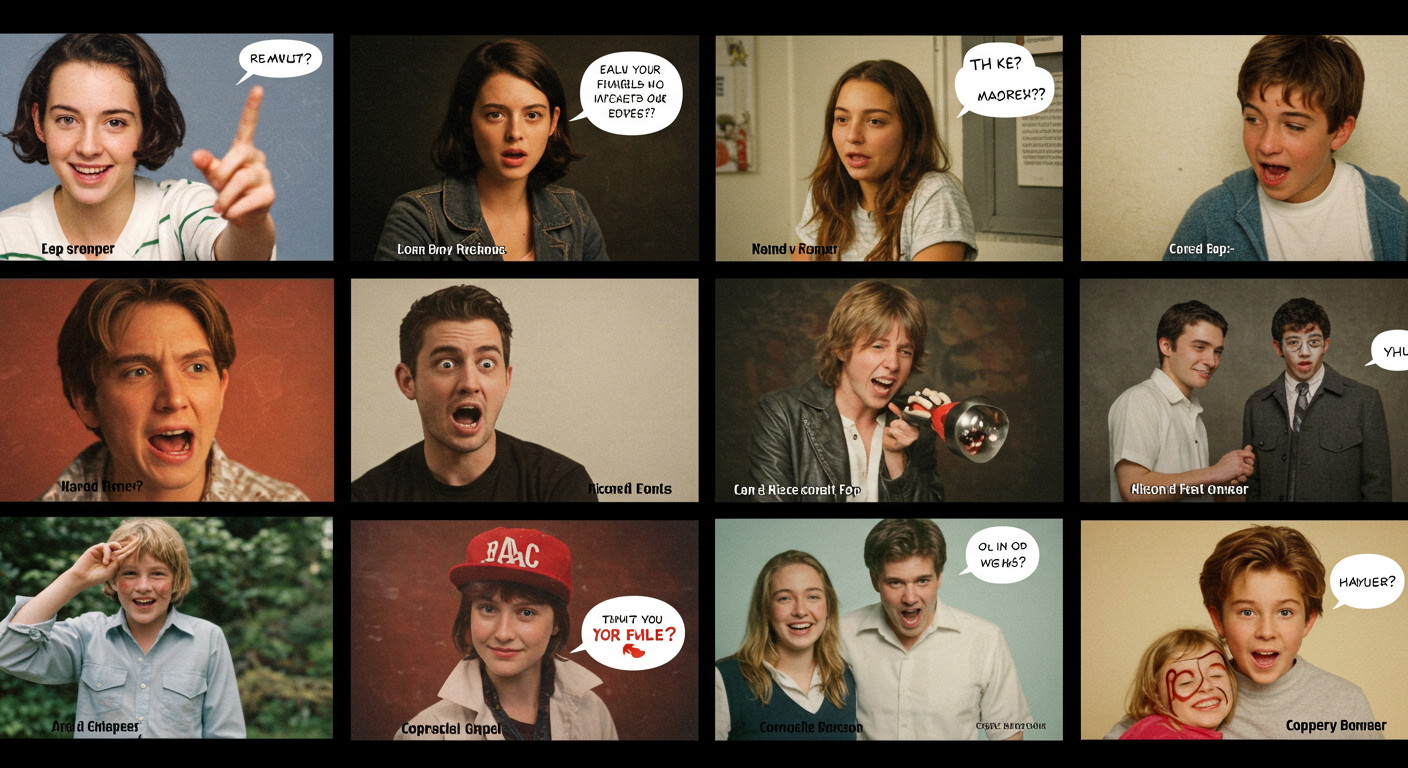
While new formats emerge daily, a select few have become so iconic they’re practically evergreen. Mastering these is like learning the foundational chords of a guitar—they’re the building blocks for almost anything you want to express. Here are the essentials you need to know.
1. Distracted Boyfriend
The Vibe: Temptation, poor choices, prioritizing something new over the old. The man represents the user, his girlfriend is the responsible choice, and the other woman is the shiny new distraction. It’s a timeless classic for a reason.
2. Woman Yelling at a Cat
The Vibe: A hysterical, often irrational accusation met with bewildered, innocent confusion. It’s a perfect two-part dialogue format for showing a massive disconnect in a conversation.
3. Drake Hotline Bling
The Vibe: The simplest way to show preference. Panel one: Drake rejecting something. Panel two: Drake approving of something. It’s the internet’s go-to format for a quick “This, Not That” comparison.
4. Change My Mind
The Vibe: Stating a controversial or mundane opinion with mock-seriousness, challenging others to a debate. It’s incredibly versatile for sharing hot takes, from industry opinions to silly personal preferences.
5. Is This a Pigeon?
The Vibe: Naive misinterpretation. Taken from a 90s anime, it perfectly captures the moment someone fundamentally misunderstands something. It’s brilliant for pointing out ignorance or a lack of awareness in a lighthearted way.
6. Panik Kalm Panik
The Vibe: A three-act story of emotional whiplash. It illustrates a situation that causes panic, followed by a moment of relief (kalm), only for a new detail to trigger panic once again. Perfect for relatable anxiety-fueled scenarios.
7. The Expanding Brain
The Vibe: A multi-panel format showing escalating levels of “enlightenment” or absurdity. It starts with a simple, common idea and progresses to increasingly bizarre, “galaxy-brain” takes on the same topic.
8. “They Don’t Know…”
The Vibe: The feeling of having secret, superior knowledge at a social gathering. It features a character standing in a corner at a party, thinking, “They don’t know I [insert niche skill/fact here].” It’s great for niche community humor.
9. Woman vs. Man Math
The Vibe: A split-panel showing a woman doing complex calculations for a simple decision, contrasted with a man’s overly simplistic logic for a complex one. It plays on gender stereotypes for relatable humor about overthinking vs. underthinking.
10. Boardroom Meeting Suggestion
The Vibe: A multi-panel comic where a junior employee’s good idea is ignored, only for a senior manager to repeat it and receive praise, often culminating in the junior employee being thrown out a window. It’s the ultimate meme for corporate frustration.
11. Uno Draw 25
The Vibe: A choice between doing an undesirable task or drawing 25 cards in the game Uno. The format shows a person holding a massive hand of cards, implying they would rather suffer the penalty than do the task. It’s a powerful way to show strong aversion.
To help you choose, here’s a quick comparison of some of the most popular formats:
| Meme Format | Core Emotion / Situation | Best Use Case | Brand Risk Level (2026) |
|---|---|---|---|
| Drake Hotline Bling | Simple Preference (Good vs. Bad) | Comparing product features, showing brand values, simple A/B choices. | Low |
| Distracted Boyfriend | Temptation / Disloyalty | Showing customers choosing your product over a competitor’s. | Medium (Can imply negativity) |
| Woman Yelling at a Cat | Irrational Accusation vs. Confusion | Debunking common myths in your industry; showing customer frustrations vs. reality. | Medium |
| Boardroom Meeting | Corporate Frustration / Unfairness | Relating to B2B audiences about workplace pain points. | Low (Highly relatable in professional contexts) |
The Creator’s Playbook: How to Make a Meme That Actually Lands
Look, anyone can slap text on an image. That’s not the goal. The goal is to create something that resonates so deeply people feel compelled to share it. Based on hands-on testing with dozens of social campaigns, we’ve found this strategic process works best.
Step 1: Define Your Goal (Seriously, Start Here)
Before you even think about a format, ask: What am I trying to achieve?
- Relatability? Connect with your audience over a shared pain point.
- Education? Simplify a complex idea.
- Commentary? Offer a hot take on a trending event.
Your goal dictates everything that follows. A meme without a purpose is just noise.
Step 2: Know Your Audience and Platform
Where will this meme live? The humor that works on a LinkedIn feed for marketing professionals is wildly different from the humor on a gaming community’s Discord server. Analyze the platform’s native language. What formats are currently trending there? Don’t just throw something at the wall.
Step 3: Select the Perfect Format (The Art of Context)
Now you can pick your weapon. Your choice of format must match the underlying emotion of your message from Step 1. Don’t force your joke into a template that doesn’t fit. A quick search on a resource like Know Your Meme is non-negotiable. It provides the origin and proper usage context, preventing you from making an embarrassing mistake.
Step 4: Write the Punchline (Brevity is Your Superpower)
This is where the magic happens.
- Be brutally concise. Every word must earn its place.
- Use simple language. No jargon.
- The punchline is in the interplay. The humor comes from how your text re-contextualizes the image’s inherent meaning.
Read it out loud. Does it sound like something a real person would say? If not, rewrite it.
Step 5: Create and Distribute with Precision
You don’t need Photoshop. Free tools like Imgflip or Kapwing are industry standard. Once created, timing is everything. Tie your meme to a trending conversation or a specific time of day when your audience is most active. Then, let it fly.
⚠️ Watch Out
Using memes for commercial purposes is a legal gray area. Many formats are based on copyrighted images. While individual use is often protected under fair use, a brand using a movie still to sell a product is on much shakier ground. According to the U.S. Copyright Office, one factor in fair use is the commercial nature of the use. When in doubt, consult a legal expert or stick to formats you create yourself.
The Meme Lifecycle: From Niche Gold to Cringey Corporate Tweet
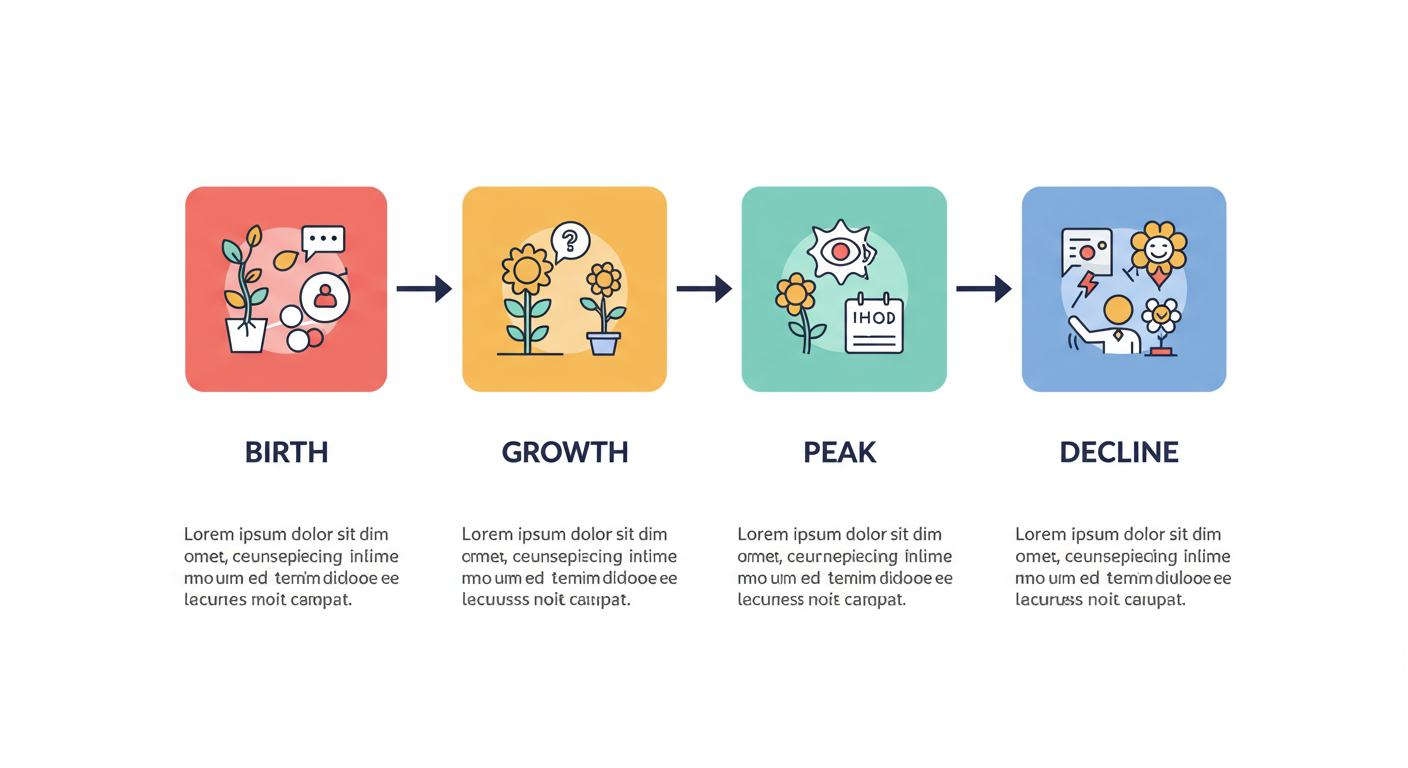
Memes are like living organisms. They are born, they grow, they peak, and eventually, they die. Knowing where a format is in its lifecycle is crucial for using it effectively. Jump on too early, and no one gets it. Jump on too late, and you look like you’re trying way too hard.
Here’s how to read the market and act accordingly.
| Lifecycle Stage | Characteristics | Your Strategic Move |
|---|---|---|
| Birth | Found in niche corners (4chan, specific subreddits). Highly ironic, context-heavy. | Observe. Don’t use it yet unless you’re a native of that community. It’s too early. |
| Growth | Spreads to Twitter & Instagram. Early adopters are creating variations. The format’s “rules” are being established. | Adopt & Adapt. This is the sweet spot. The format is fresh but understood. Put your own spin on it. |
| Peak | It’s everywhere. Brands are using it. Your mom might share it on Facebook. News outlets report on it. | Use with caution. The format is at maximum reach but is quickly losing its “cool” factor. |
| Decline & Legacy | Overused and stale. Using it unironically is seen as “cringey.” Some formats die, others become “classics.” | Avoid or use ironically. Only use it if you’re making a meta-commentary on the meme itself. |
🎯 Key Takeaway
The most successful meme creators aren’t just funny; they’re expert cultural timers. They understand that a meme’s power comes from its relevance. The sweet spot for maximum impact is the “Growth” phase, where a format is popular enough to be understood but not so saturated that it’s become cliché.
The Business Case: Using Memes Without Killing Your Brand
Okay, let’s talk business. Can a serious brand actually use memes? Yes. But it’s like handling a firecracker—do it right, and it’s spectacular; do it wrong, and it blows up in your face.
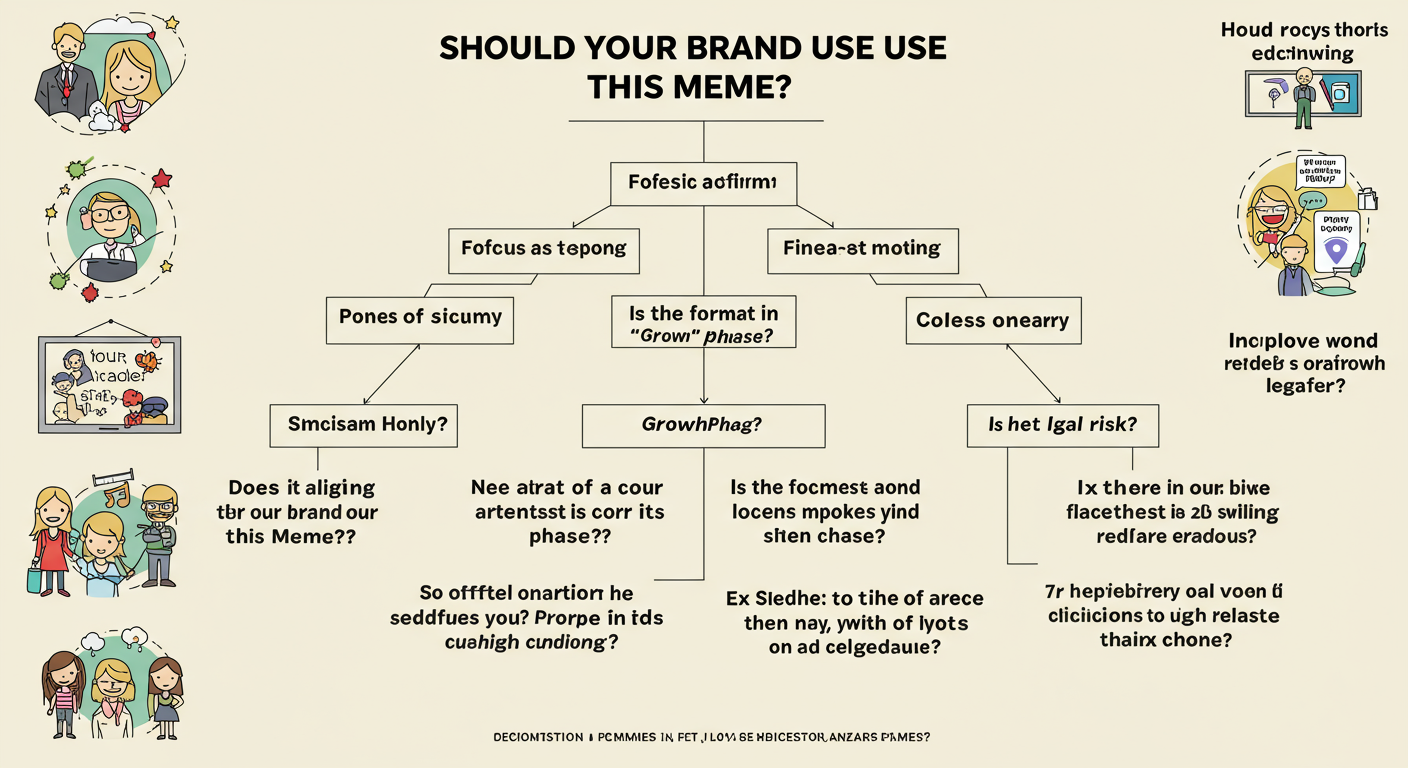
The key is alignment. Does the meme’s humor and tone align with your established brand voice? A witty, irreverent brand like Wendy’s can get away with almost anything. A conservative financial institution? Not so much. I’ve seen this play out time and again: a brand forces a meme that doesn’t fit its personality, and the audience response is brutal. It screams, “Hello, fellow kids.”
Research from sources like the Harvard Business Review shows that high-arousal emotions (like awe or humor) are a key driver of virality. Memes are a direct pipeline to humor, but only if it feels authentic.
💡 Pro Tip
Create a simple “Meme Style Guide” for your brand. It doesn’t have to be complicated. Just a few bullet points: What kind of humor is on-brand (e.g., witty, absurd, self-deprecating)? What topics are off-limits? Which 2-3 classic formats align with our core messages? This simple document prevents costly, off-brand mistakes.
⚠️ Watch Out: How to Spot a “Dead Meme”
Trust me on this one. The fastest way to look out of touch is to use a dead meme. A format is likely dead or dying if:
1. You see it in a TV commercial for a bank or insurance company.
2. Mainstream politicians are using it sincerely.
3. The original joke has been explained by a major news outlet.
If you spot these signs, it’s time to move on.
❓ Frequently Asked Questions
What’s the difference between a meme format and an image macro?
They’re very similar and often used interchangeably. An ‘image macro’ is the technical term for an image with text superimposed on it. A ‘meme format’ or ‘template’ specifically refers to a reusable image macro that has become a cultural phenomenon with a shared, understood context (like the Distracted Boyfriend photo).
Can my business get sued for using a meme?
Yes, it’s possible. Many popular formats are derived from copyrighted material. While individual, non-commercial use often falls under the ‘fair use’ doctrine, a business using a meme to advertise a product has a much higher risk. The risk is real, and companies have received cease-and-desist letters. When in doubt, use public domain images, create your own formats, or consult a lawyer.
What are the best free tools for making memes in 2026?
For speed and ease of use, Imgflip is still the king. It has a massive library of current and classic templates. Kapwing is another excellent choice, offering more advanced video and GIF meme features. For mobile, apps like Mematic and Meme Generator Free are solid options.
How do I find new meme formats before they go mainstream?
You have to go to the source. Spend time on platforms where memes are born. This means browsing specific subreddits like r/MemeEconomy (which treats memes like stocks), monitoring active Twitter circles in your niche, and keeping an eye on TikTok trends. Following meme aggregator accounts on Instagram can also give you a curated look at what’s bubbling up.
Is it better to create an original format or use an existing one?
For 99% of creators and brands, it’s far more effective to use an existing, popular format. Why? Because the built-in context does half the work for you. The audience already understands the emotional framework. Creating a brand new format that catches on is incredibly difficult and rare. Master the classics first.
Your Next Move: From Passive Observer to Active Creator
So there you have it. The white meme format isn’t just a simple template; it’s a dynamic, powerful tool for communication in the digital age. We’ve moved beyond just listing examples and have broken down the strategic framework: the psychology of why they work, the playbook for creating one that hits, the cultural lifecycle that governs their relevance, and the business case for using them wisely.
Its strength is its beautiful simplicity—a universal canvas for humor, commentary, and shared experience. You now have the knowledge to move from a passive consumer to an active, strategic creator.
Here’s your first step. Don’t just close this tab. Go to Twitter or Reddit right now. Find one trending meme format. Just one. Brainstorm three different ways you could apply it to your job, your hobby, or a recent frustration. You don’t have to post it. Just practice the muscle. That’s how you start speaking the internet’s most powerful language.
Read Also:
- Engineer Your Wealth in 2026
- Is Your File Converter Safe? 2026 Guide
- Flip Your Text: 2026’s Coolest Trick
- Watts vs. Hertz: The 2026 Tech Myth
- 50x70cm to Inches: The Ultimate 2026 Framing & Conversion Guide
- Slash Load Times in 2026
- Unlock Hidden Profit With Time Tracking 2026
- Trapezoid Volume Calculator: The Definitive 2026 Guide
- PDF to Word Converter: 7 Facts for Perfect Edits – Visual Story