
In the breakneck speed of the digital age, where attention spans are shorter than ever, getting your website to stand out in the crowded search engine results pages (SERPs) feels like an uphill battle. You’ve poured your heart and soul into creating killer content, but is it actually *seen*? That’s where the unsung hero of SEO, the meta tag, comes into play. And to wield its power effectively, a reliable Meta Tag Generator is absolutely essential.
Think of meta tags as the secret sauce that whispers to search engines like Google and Bing, telling them exactly what your page is about. These snippets of text live in the <head> section of your HTML, invisible to the casual visitor, but crucial for SEO. They’re like the elevator pitch for your webpage – a concise, compelling summary that can make or break your chances of attracting clicks. I’ve seen countless websites languish in obscurity simply because their meta tags were neglected or poorly implemented. A Meta Tag Generator solves this by streamlining the creation of these critical tags, ensuring your site speaks the language of search engines fluently, ultimately boosting your visibility and click-through rates (CTR).
Understanding the Undeniable Power of a Meta Tag Generator
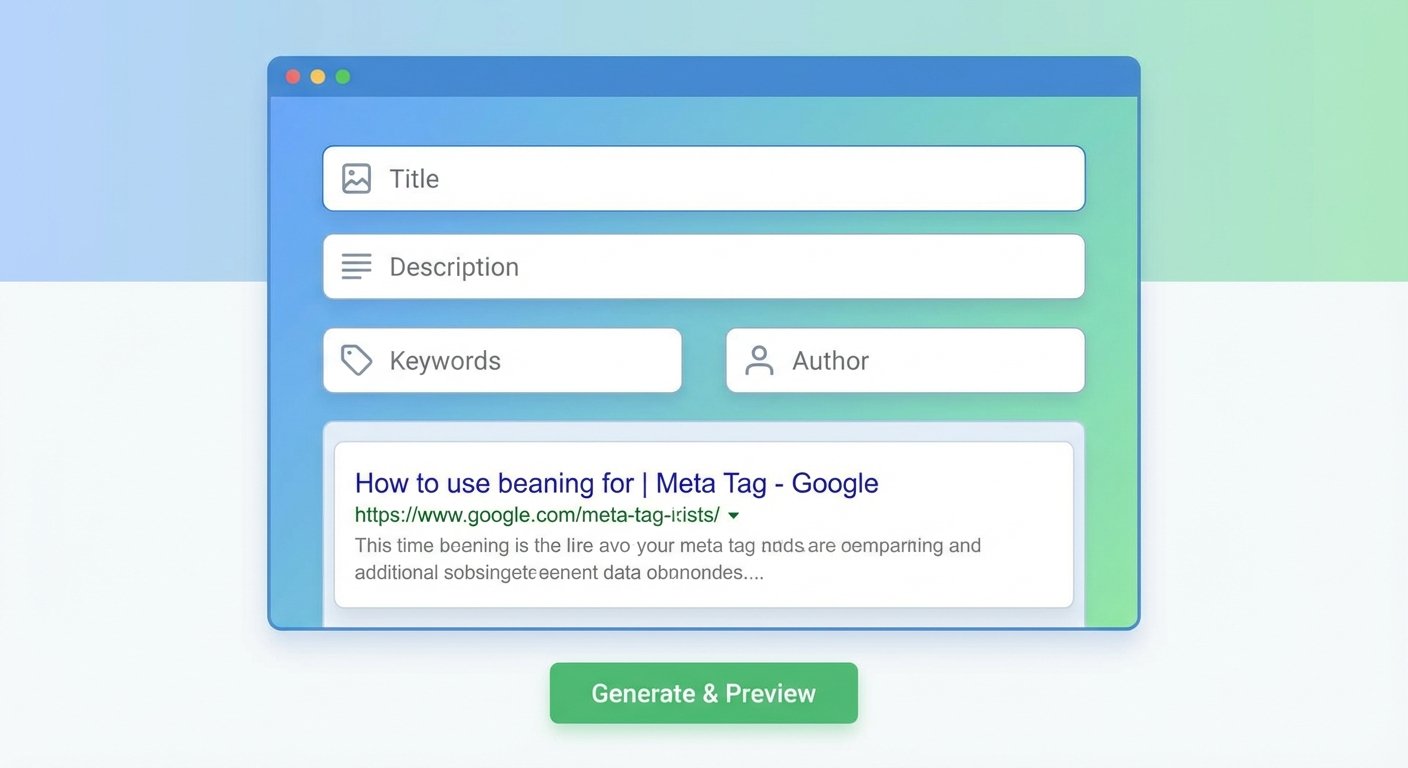
So, what exactly *is* a Meta Tag Generator? It’s a software tool or online utility meticulously designed to automate the creation of HTML code for meta tags, based on the information you provide. Forget painstakingly typing out <meta name="description" content="..."> for every single page. Instead, you simply fill in the blanks – title, description, keywords, author – and the tool spits out clean, error-free code ready for copy-pasting. It’s like having a personal SEO assistant who never makes mistakes.
The real magic of a Meta Tag Generator lies in its ability to standardize and scale your SEO efforts. Consistency is the name of the game when it comes to search engine optimization. If your tags are riddled with errors or, worse, missing altogether, search engines might display irrelevant snippets from your page, or fail to index it correctly. Here’s the deal: for those who aren’t fluent in HTML, these generators bridge the chasm between technical requirements and content strategy, empowering anyone to optimize their site without needing to be a coding whiz. I’ve seen small business owners transform their online presence simply by implementing well-crafted meta tags generated with these tools.
Efficiency & Speed: Stop Wasting Time
Imagine generating meta tags for hundreds of pages in mere seconds, instead of spending countless hours manually coding. A Meta Tag Generator frees up your precious time, allowing you to focus on what truly matters: crafting compelling content and building valuable backlinks.
Error Reduction: Say Goodbye to Syntax Errors
Let’s face it: manual coding is a breeding ground for errors. Unclosed tags, missing quotation marks – these seemingly small mistakes can wreak havoc on your SEO. A Meta Tag Generator eliminates these syntax risks entirely, ensuring your code is clean and compliant.
Standardization: Keep Everything Consistent
Ensure that every page on your website adheres to the same structural standards, making it a breeze for search engine bots to crawl and index your content. Consistency is key, and a Meta Tag Generator helps you achieve it effortlessly.
Key Elements You Can Create with a Meta Tag Generator to Supercharge Your SEO
When you fire up a comprehensive Meta Tag Generator, you’re not just slapping together a simple description. You’re meticulously crafting the very first impression your brand makes on a potential visitor in the SERPs. The specific tags you generate each play distinct roles in your overall SEO strategy. Think of it as assembling a crack team, each with unique skills and responsibilities, all working together to achieve a common goal: getting your website noticed.
Optimizing Title Tags with a Meta Tag Generator: The First Impression
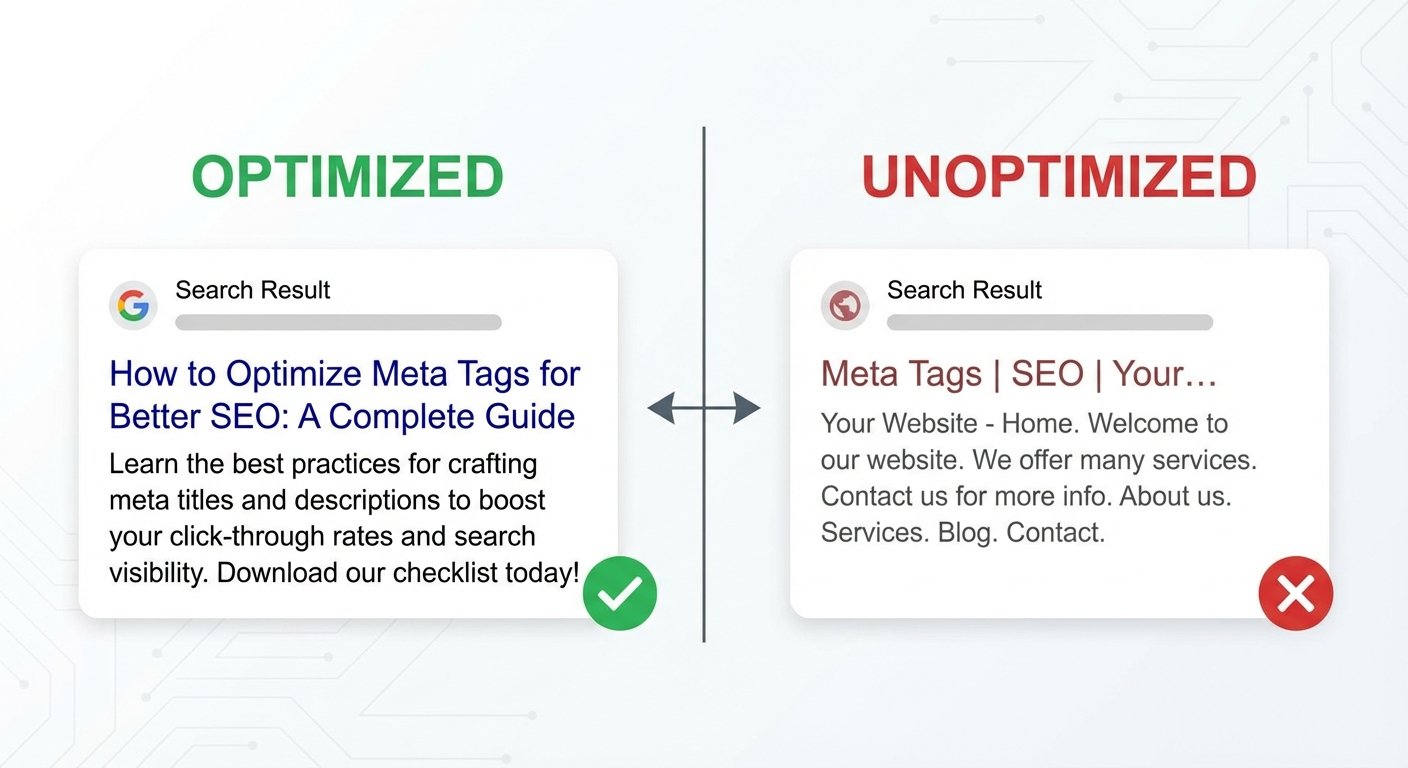
The title tag is, without a doubt, the heavyweight champion of meta tags. It’s the clickable headline that appears in search results and the text displayed in the browser tab. A top-notch Meta Tag Generator will include a character counter, ensuring your title stays within the optimal 50-60 character range. Why? Because Google will truncate longer titles with ellipses (…), potentially cutting off vital information and diluting your message. What I recommend is using the preview feature of these tools to craft punchy, keyword-rich titles that fit perfectly within the display limits, maximizing your click-through potential.
For instance, if you’re running an e-commerce site selling handcrafted jewelry, you want your title to be laser-focused. Instead of a generic “Jewelry Store,” aim for something like “Handmade Silver Earrings | [Your Brand Name]” Just as you would analyze your sales data to understand what is a good profit margin for ecommerce business, you must carefully calculate your character usage to maximize visibility and attract the right customers.
Crafting Click-Worthy Meta Descriptions: Your Irresistible Sales Pitch
Now, this is where it gets interesting. While meta descriptions don’t directly influence rankings (according to Google Search Central, 2009), they are absolutely crucial for Click-Through Rate (CTR). Think of a well-written description as your ad copy, your chance to entice searchers to choose *your* result over the competition. Using a Meta Tag Generator allows you to draft and refine this text, ensuring it includes a compelling call to action and relevant keywords without exceeding the recommended 155-160 characters. The tool ensures the HTML syntax is spot-on, so search engines recognize and display your custom description, rather than pulling random, potentially irrelevant text from your page.
How a Meta Tag Generator Enhances Your Social Media Visibility: Beyond Google
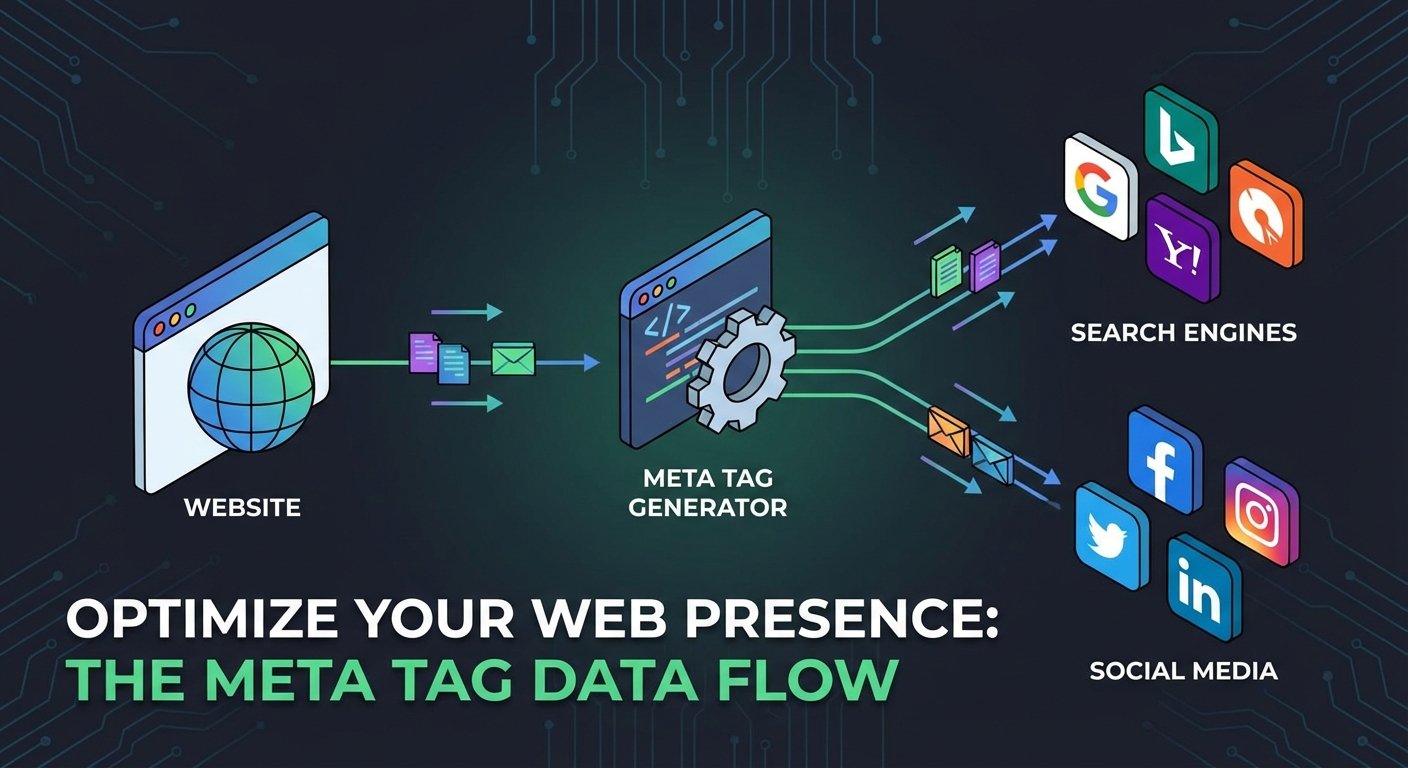
Let me be honest here: modern SEO isn’t solely about Google anymore. It’s about how your content appears across the entire web, including social media platforms. That’s where Open Graph (OG) tags and Twitter Cards enter the picture. A sophisticated Meta Tag Generator will include dedicated sections for these specific protocols, allowing you to control how your content is presented on social networks.
Open Graph tags are the puppet masters that control how your content is displayed when shared on Facebook, LinkedIn, and other platforms. Without these tags, the social platform will guess which image and text to display, often choosing a low-resolution icon or an irrelevant footer menu. By using a generator to meticulously define your og:image, og:title, and og:description, you ensure a rich, professional preview that grabs attention and encourages engagement. It’s akin to using a YouTube hashtag generator for engagement; you’re harnessing technical tools to boost social interaction and drive traffic back to your site.
Best Practices for Using a Meta Tag Generator: Strategy First, Tool Second
While the Meta Tag Generator handles the coding grunt work, the underlying strategy comes from you. To squeeze every last drop of value from these tools, you need to adhere to proven SEO best practices. Think of the generator as a precision instrument; it’s only as effective as the skilled hand that wields it.
- Unique Tags for Every Page: This is non-negotiable. Never, ever duplicate title tags or meta descriptions across different pages. This confuses search engines, dilutes your keyword focus, and ultimately cannibalizes your own rankings.
- Strategic Keyword Placement: Place your primary keywords near the beginning of the title tag, where they carry the most weight. The generator ensures the code is correct, but *you* must ensure the copy is persuasive and relevant.
- Regular Updates are Essential: SEO is not a set-it-and-forget-it endeavor. As search trends evolve and your content changes, revisit your generator to create updated tags that reflect current search intent. I recommend reviewing your meta tags at least quarterly.
- Mobile Optimization: Keep your tags concise and to the point. Mobile screens have limited real estate, so every character counts. Prioritize the most important information.
According to Google Search Central, while they may not use all meta tags for ranking, accurate tags are essential for controlling the snippet users see. This confirms that using a generator to ensure accuracy is a vital part of modern web management.
Manual Coding vs. Using a Meta Tag Generator: The Great Debate
The age-old question: is it better to code meta tags by hand or embrace the power of automation? While manual coding offers granular control, it lacks the inherent safeguards against human error that a Meta Tag Generator provides. Let’s break it down:
| Manual Coding | Using a Generator | |
|---|---|---|
| Pros | Unfettered control over every single character; no reliance on third-party tools. | Instant code generation; built-in character counting; real-time previews; beginner-friendly interface. |
| Cons | High risk of syntax errors; time-consuming process; requires in-depth knowledge of HTML. | Limited to the fields provided by the tool (though most cover all the essentials). |
Why Security and Verification Tags Matter: Establishing Trust
Beyond the realm of titles and descriptions, a Meta Tag Generator often plays a crucial role in generating verification tags. These specialized meta tags are provided by services like Google Search Console, Bing Webmaster Tools, and Pinterest, serving as proof that you are the rightful owner of the website. Embedding these tags in your website’s <head> section is a critical step in setting up your site’s analytics and security profile. Think of it as providing credentials to verify your identity.
Security is paramount in today’s digital landscape. Just as users might perform an SSL verification check to ensure a website is safe and secure, search engines conduct rigorous checks to verify site ownership and integrity. A Meta Tag Generator ensures that these sensitive verification codes are formatted precisely as required, preventing verification failures that could potentially delay your SEO progress and impact your site’s trustworthiness.
Advanced Tips for SEO Professionals: Level Up Your Meta Tag Game
For the seasoned SEO professional, a Meta Tag Generator can be a powerful ally in implementing advanced strategies, particularly when it comes to “Robots” meta tags. These tags act as instructions for search engine crawlers, dictating what to index and what to ignore. Common directives include:
- index, follow: The default setting. Instructs crawlers to index the page and follow all links.
- noindex: Prevents crawlers from including the page in search results (ideal for thank-you pages or internal admin pages).
- nofollow: Instructs crawlers not to pass authority to the links on the page. Use with caution!
Configuring these directives incorrectly can have disastrous consequences – accidentally setting your homepage to “noindex” would effectively remove it from Google’s index. A reputable Meta Tag Generator mitigates this risk by providing clear dropdown options and helpful explanations, minimizing the chances of manual syntax errors.
For a deeper dive into the technical intricacies of these tags, I highly recommend exploring resources like Moz’s SEO Learning Center, which offers comprehensive analysis on how these tags influence user behavior and ranking algorithms.
Conclusion: Meta Tags – Small Details, Huge Impact
In conclusion, embracing a Meta Tag Generator is far more than just a convenient shortcut; it’s a strategic imperative for anyone serious about SEO. It seamlessly blends the precision of code with the art of marketing, ensuring that your website communicates effectively with both search engines and human users. From meticulously crafting title tags that command attention to defining Open Graph data that makes your content shine on social media, these tools are indispensable for a holistic SEO strategy.
Whether you’re launching a brand-new blog, managing a sprawling e-commerce empire, or simply striving to enhance your personal portfolio, integrating a Meta Tag Generator into your workflow will save you valuable time, minimize errors, and, ultimately, help you ascend the search engine rankings. By automating the technical minutiae, you’re free to focus on what truly matters: crafting valuable content that resonates deeply with your target audience and drives meaningful results.
Frequently Asked Questions: Your Meta Tag Questions Answered
Unfortunately, no. A Meta Tag Generator is a powerful tool, but it’s not a magic wand. It ensures your technical SEO is sound and your snippets are visually appealing, which improves your chances of ranking higher and attracting more clicks. However, rankings are influenced by a multitude of factors, including content quality, backlinks, user experience, and overall website authority.
Absolutely not! Duplicate meta tags are a cardinal sin in the world of SEO. Each and every page on your site should have unique title tags and meta descriptions that accurately reflect the specific content of that page. Using duplicate tags confuses search engines, dilutes your keyword focus, and can ultimately harm your rankings. Think of it as wearing the same outfit every day – it might be comfortable, but it’s not a good look.
Meta descriptions are concise summaries of your page’s content, designed to entice users to click on your result in search results. Meta keywords, on the other hand, are a relic of the past. Google no longer uses them for ranking purposes due to widespread abuse (keyword stuffing) in the early days of SEO. While some smaller search engines might still glance at them, they’re largely irrelevant in today’s SEO landscape.
You should proactively review and update your meta tags whenever your page content undergoes significant changes, if your current tags aren’t generating a satisfactory Click-Through Rate (CTR), or to align with emerging keyword strategies and search trends. I recommend setting a recurring reminder to review your meta tags at least every quarter.
Open Graph tags don’t directly impact Google search rankings, but they are indispensable for social media SEO. They dictate how your links appear when shared on platforms like Facebook and LinkedIn, which has a significant impact on traffic and engagement from those sources. Think of them as your social media ambassadors, ensuring your content makes a stellar first impression.