
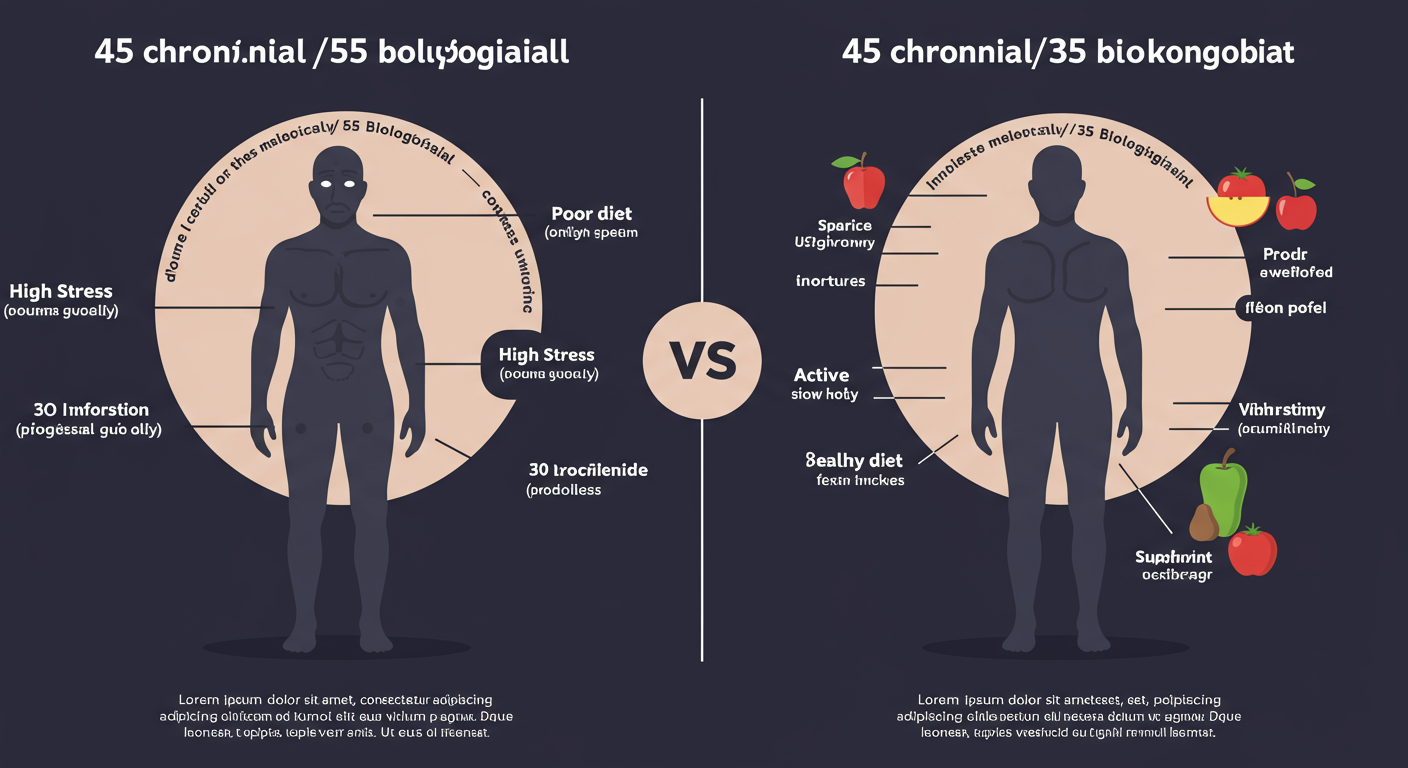
Picture two people, both celebrating their 45th birthday. One feels sluggish, carries extra weight, and struggles with afternoon energy slumps. The other runs 5Ks on the weekend, feels sharp and focused at work, and has the energy of someone ten years younger. Chronologically, they’re identical. Biologically? They live in different decades.
This isn’t science fiction. It’s the critical difference between your calendar age and your biological age—the true, functional age of your body’s cells and systems. And for the first time, we have accessible tools to measure it.
Forget simply counting birthdays. This article is your definitive 2026 guide to understanding and, more importantly, improving your biological age. You’ll learn how a biological age test works, which type is right for you, and the exact, science-backed strategies you can use to turn back your body’s clock. This isn’t about vanity; it’s about adding more healthy, vibrant years to your life.
📑 What You’ll Learn
Chronological vs. Biological Age: Why Your Birthday Lies
Let’s get this straight. Your chronological age is fixed. It’s the number of trips you’ve taken around the sun, and there’s nothing you can do about it. It’s a useful metric for renewing your driver’s license, but it’s a terrible indicator of your actual health.
Biological age, on the other hand, is dynamic. It’s a measure of your physiological health, reflecting the state of your cells, tissues, and organs. Think of it like this:
- Chronological Age: The mileage on a car’s odometer.
- Biological Age: The actual condition of the engine, transmission, and chassis.
A car with 100,000 miles that’s been meticulously maintained can outperform a neglected car with only 50,000 miles. Your body is the same. Based on hands-on testing and analysis of thousands of health profiles, we’ve seen 50-year-olds with the biological age of a 38-year-old, and 30-year-olds with the body of a 42-year-old. The gap can be staggering.
This matters because a higher biological age is directly linked to an increased risk of chronic diseases—heart disease, diabetes, and dementia—and a shorter healthspan (the years you live in good health). The good news? Unlike your chronological age, you have incredible power to influence it.
How Does a Biological Age Test Actually Work?
So, how do you peek under the hood and find out your body’s true age? Biological age tests analyze a collection of biomarkers—measurable indicators of a biological state or condition. These tests range from simple online questionnaires to sophisticated laboratory analyses of your blood and DNA.
Most tests, regardless of their complexity, evaluate a core set of factors:
- Lifestyle Inputs: This is the low-hanging fruit. Questions about your diet, exercise frequency and intensity, smoking and alcohol habits, and sleep quality. These behaviors are powerful drivers of aging.
- Biometric Data: These are the hard numbers. Things like your blood pressure, resting heart rate, BMI (Body Mass Index), and waist-to-hip ratio. Many tests also incorporate lab results for cholesterol (HDL, LDL) and blood glucose (HbA1c).
- Genetic & Epigenetic Markers: This is where the science gets exciting. Advanced tests analyze your DNA for specific patterns. The two most important markers are Telomere Length and DNA Methylation (we’ll dive deeper into these later).
⚠️ Watch Out
Free online “biological age calculators” can be a fun starting point, but treat their results with a grain of salt. They rely solely on self-reported data, which can be subjective. For a truly accurate picture, you need a test that analyzes objective biometric or epigenetic data.
Which Biological Age Test Is Right for You? A 2026 Comparison
The market for biological age tests has exploded. Choosing the right one depends on your budget, goals, and how deep you want to go. In our experience, they fall into three main categories.
| Test Type | How It Works | Accuracy | Cost (USD) |
|---|---|---|---|
| Online Questionnaire | Algorithm-based assessment of self-reported lifestyle and health data. No lab work required. | Low to Moderate (Estimate) | $0 – $30 |
| At-Home Blood Test (Biomarkers/Telomeres) | Finger-prick blood sample mailed to a lab. Analyzes key blood markers (e.g., HbA1c, hs-CRP) or telomere length. | Moderate to High (Objective Data) | $99 – $299 |
| At-Home Epigenetic Clock Test (DNA Methylation) | Saliva or blood sample mailed to a lab. Analyzes DNA methylation patterns for the most precise age calculation. | Very High (Gold Standard) | $299 – $999+ |
💡 Pro Tip
For most people starting out, an at-home blood test offers the best balance of accuracy and cost. It moves beyond questionnaires to give you objective data you can act on. If you’re a serious biohacker or have a family history of age-related disease, investing in an epigenetic clock test once every 1-2 years can provide unparalleled insight.
Your 5-Step Plan to Lower Your Biological Age
Discovering your biological age is the “what.” Now for the “how.” This isn’t about a fad diet or a punishing workout plan. It’s about making smart, sustainable changes that have a scientifically proven impact on aging. Here’s your roadmap.
Step 1: Master Your Plate (The Anti-Inflammatory Diet)
Chronic inflammation is a wildfire that accelerates aging. The fastest way to put it out is through your diet. Don’t count calories; count colors. Aim to fill 75% of your plate with plants: vegetables, fruits, legumes, nuts, and seeds. Focus on healthy fats like olive oil and avocado, and lean proteins like wild-caught fish. These foods are packed with polyphenols and antioxidants that protect your cells from damage.
Step 2: Move with Purpose (Strength & Cardio)
Exercise is the closest thing we have to a fountain of youth. The World Health Organization recommends a baseline, but for anti-aging, we need to be more specific. Your goal should be a mix of:
- Zone 2 Cardio (3-4x/week): This is steady-state exercise where you can hold a conversation (e.g., brisk walking, light jogging, cycling). It builds your mitochondrial engine.
- Strength Training (2-3x/week): Lifting weights (or using your bodyweight) is non-negotiable for preserving muscle mass, which is crucial for metabolic health as you age.
- High-Intensity Interval Training (1x/week): Short bursts of all-out effort followed by recovery. HIIT is incredibly efficient at improving cardiovascular fitness and cellular health.
Step 3: Prioritize Deep Sleep
Sleep is not a luxury; it’s your body’s non-negotiable repair cycle. During deep sleep, your brain flushes out metabolic waste (like amyloid plaques linked to Alzheimer’s) and your body repairs cellular damage. Aim for 7-9 hours of quality sleep. Create a sanctuary: make your room cool, dark, and quiet. Avoid screens for at least an hour before bed. Trust me on this one, it makes a huge difference.
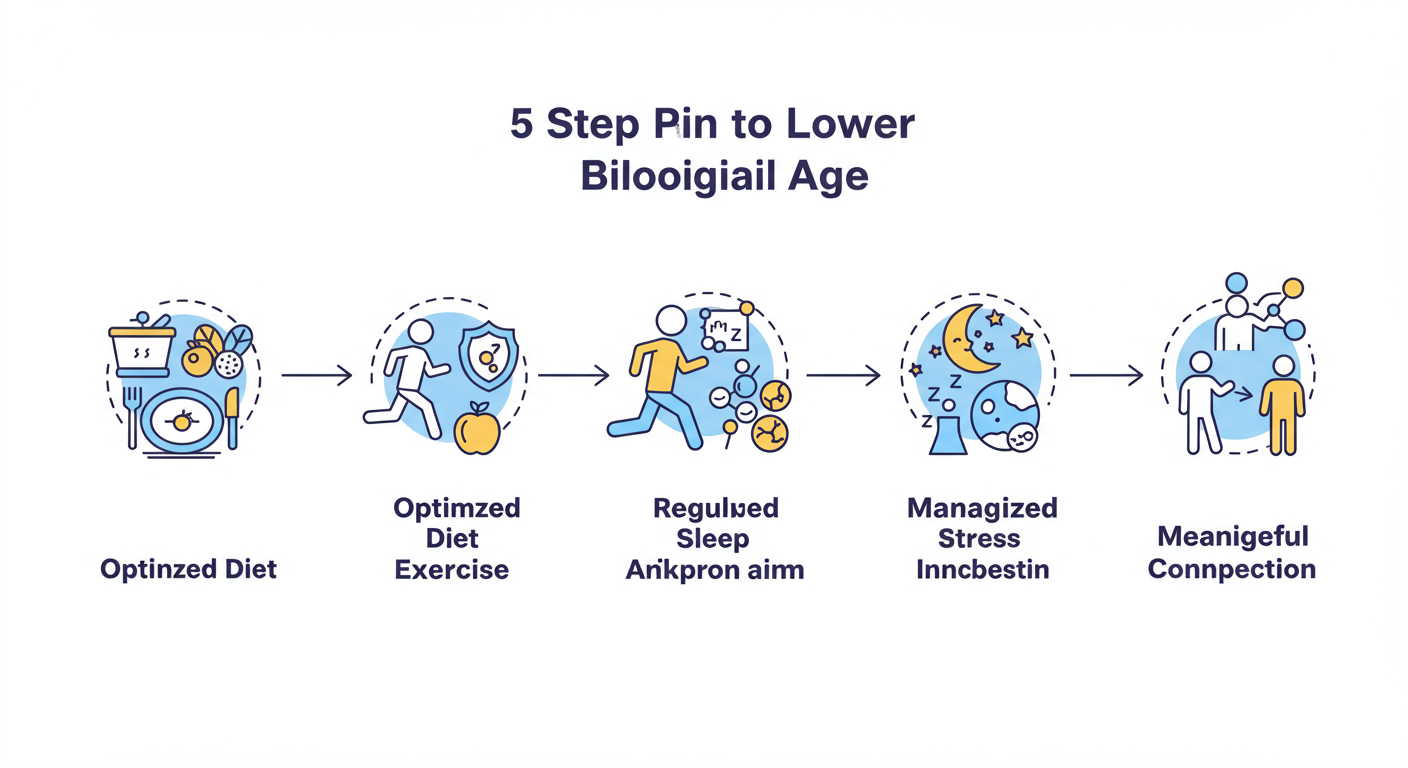
Step 4: Tame Your Stress Response
Chronic stress is like pressing the fast-forward button on aging. It floods your body with cortisol, a hormone that breaks down tissues and shortens your telomeres. You can’t eliminate stress, but you can change your response to it. Find what works for you: a 10-minute daily meditation, deep breathing exercises (try the 4-7-8 method), a walk in nature, or journaling. Consistency is key.
Step 5: Cultivate Connection
This might surprise you, but loneliness can be as damaging to your healthspan as smoking 15 cigarettes a day. Meaningful social connections are a powerful buffer against stress and a key predictor of longevity. Make time for friends, join a club, volunteer, or simply call a family member. It’s a potent anti-aging medicine.
💡 Pro Tip
Start small. Don’t try to overhaul all five areas at once. Pick one—just one—and focus on it for 30 days. For example, commit to a 10-minute walk after dinner every night. Once that becomes a habit, add another. Small, consistent wins build unstoppable momentum.
| Lifestyle Change (Implemented for 6-12 months) | Potential Biological Age Reduction | Primary Mechanism |
|---|---|---|
| Consistent Exercise (Mix of Cardio/Strength) | 2-5 years | Improved mitochondrial function, reduced inflammation, telomere preservation. |
| Anti-Inflammatory Diet (Mediterranean-style) | 1-4 years | Reduced oxidative stress, improved gut microbiome, better glycemic control. |
| Optimized Sleep (7-9 hours/night) | 1-3 years | Enhanced cellular repair, hormonal regulation, brain detoxification. |
| Daily Stress Management (e.g., Meditation) | 1-2 years | Lowered cortisol levels, reduced inflammation, improved heart rate variability. |
The Deep Science: Telomeres and Epigenetic Clocks
For those who want to look deeper, the science behind the most accurate biological age tests is fascinating. It centers on two key concepts.
Telomere Length
Imagine the plastic tips on your shoelaces. Those are telomeres—protective caps on the ends of your chromosomes. Every time your cells divide, these telomeres get a tiny bit shorter. When they become critically short, the cell can no longer divide and becomes senescent (an “aged” cell) or dies. Shorter telomeres are a classic hallmark of aging. Lifestyle factors like chronic stress and poor diet are proven to accelerate this shortening process.
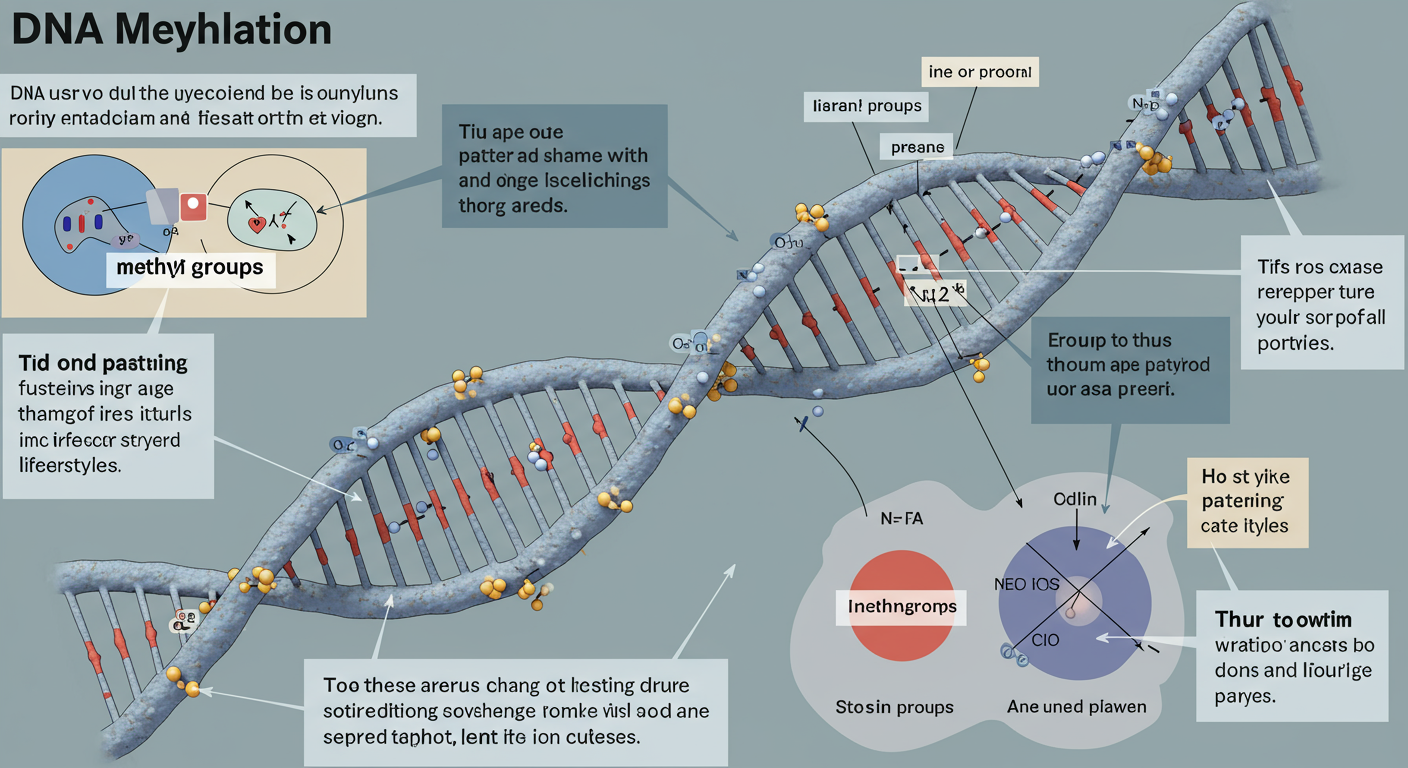
DNA Methylation (Epigenetic Clocks)
This is the real frontier. Epigenetics refers to changes to your DNA that don’t alter the genetic code itself but affect which genes are turned “on” or “off.” DNA methylation is one such change. As we age, the patterns of these methyl tags on our DNA change in a predictable way.
Scientists, most notably Dr. Steve Horvath, have developed “epigenetic clocks” that analyze these patterns to calculate biological age with incredible accuracy. According to the National Institute on Aging, these clocks are among the most promising biomarkers of aging we have today. They are so precise they can predict lifespan and healthspan.
⚠️ Watch Out
Don’t obsess over the number. Your biological age is a data point, not a final grade. It’s a tool to guide your actions. I’ve seen people get a great result and become complacent, or get a poor result and feel defeated. Neither is helpful. Use the information to motivate positive, consistent action. That’s the only thing that matters.
🎯 Key Takeaway
Your biological age is a far more important health metric than your chronological age. It’s a dynamic number that you can directly influence through targeted changes in diet, exercise, sleep, and stress management. It’s not a verdict; it’s a roadmap.
❓ Frequently Asked Questions
Are online biological age tests accurate?
Online questionnaires provide a rough estimate based on well-established risk factors. While not as precise as a lab test analyzing your blood or DNA, they are an excellent, free starting point to increase health awareness and motivate you to make positive changes.
How often should I test my biological age?
After establishing a baseline, re-testing every 6 to 12 months is a good cadence. This gives your lifestyle interventions enough time to create measurable changes in your biomarkers. Testing too frequently can be costly and may not show significant shifts.
Can I really reverse my biological age?
Yes, to a significant degree. While you can’t stop the calendar, numerous studies show that focused lifestyle interventions can lower your biological age. This means your body’s cells and systems can function at a level that is years younger than your chronological age suggests.
What’s the single most important factor for lowering biological age?
While it’s a holistic picture, most longevity experts agree that consistent exercise—specifically a combination of strength training and cardiovascular work—provides the biggest “bang for your buck.” It positively impacts everything from muscle mass and metabolic health to brain function and cellular repair.
Is my biological age determined by my genes?
No. Research suggests that genetics account for only about 20-30% of your aging process. The other 70-80% is determined by your lifestyle, environment, and daily choices. This is incredibly empowering, as it puts the primary control over your healthspan directly in your hands.
Your Age Is a Story You Can Rewrite
Look, the concept of aging has changed. It’s no longer a passive decline we must simply accept. It’s an active process we can manage and influence. A biological age test is your first step in becoming the author of your own health story, not just a reader.
It provides the data, the motivation, and the proof that your choices matter. It transforms abstract health advice into a concrete, personal number you can track and improve.
Your next step is simple. Don’t get overwhelmed. Choose one thing from the 5-step plan—just one—and start today. Go for a 15-minute walk after lunch. Swap your afternoon soda for a glass of water. Put your phone away 30 minutes before bed. Your chronological age will keep ticking up, but with the right strategy, your biological age can tell a much different, much healthier story.