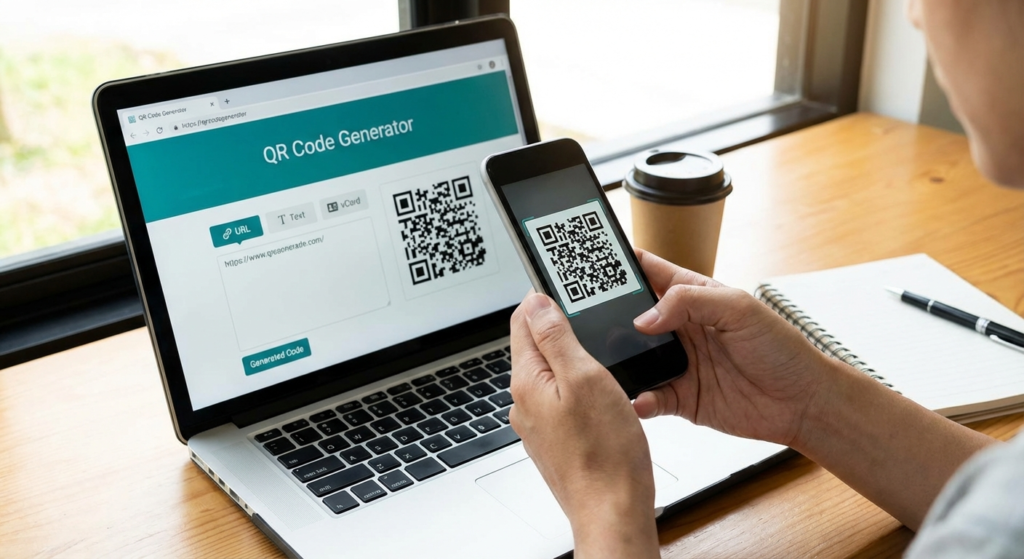
In the rapidly evolving landscape of digital marketing, the bridge between the physical and digital worlds has never been more critical. At the heart of this connection lies a powerful, often underestimated tool: the QR Code Generator. Once dismissed as a temporary fad, Quick Response (QR) codes have staged a massive comeback, becoming an integral part of modern consumer interaction. Whether you are a small business owner, a restaurant manager, or a digital marketing executive, understanding how to effectively utilize a QR Code Generator can dramatically increase your engagement rates and streamline user experiences.
Gone are the days when these pixelated squares were just a novelty on cereal boxes. Today, a robust QR Code Generator is the gateway to contactless payments, dynamic menus, instant Wi-Fi access, and sophisticated lead generation campaigns. This comprehensive guide will explore the multifaceted uses of these codes, ensuring you have the knowledge to leverage them for maximum impact.
The Evolution and Power of the QR Code Generator
To understand the future, we must acknowledge the history. Invented in 1994 by Denso Wave, a Toyota subsidiary, the QR code was originally designed to track vehicles during manufacturing. However, the technology has transcended its industrial roots. Today, a QR Code Generator is a staple in the marketer’s toolkit, democratizing access to information.
Why has this technology surged in popularity recently? The answer lies in smartphone ubiquity. Modern smartphone cameras have built-in scanners, removing the barrier to entry for users. When you use a QR Code Generator, you are creating a direct portal that allows customers to bypass typing long URLs, leading to higher conversion rates and immediate gratification.
Instant Accessibility
QR codes eliminate friction. Users scan and go, reducing the bounce rate associated with manual URL entry.
Versatility
From vCards to App Store downloads, a single generator can create solutions for dozens of different use cases.
Cost-Effectiveness
Generating a code is often free or very low cost, providing an incredibly high ROI for marketing campaigns.
Why Every Business Needs a Reliable QR Code Generator
Implementing a QR Code Generator into your workflow is not just about keeping up with trends; it is about operational efficiency and customer satisfaction. One of the primary distinctions you will face is choosing between static and dynamic codes. A static code embeds the data directly into the pattern. Once printed, it cannot be changed. However, a professional QR Code Generator often offers dynamic codes, which point to a redirect URL. This allows you to update the destination content without reprinting the packaging or signage.
Consider the logistical benefits. If you run a seasonal promotion, you can print one batch of flyers with a dynamic QR code. When the summer sale ends and the autumn collection begins, you simply log into your dashboard and change the link. This flexibility is why businesses prioritize a dynamic QR Code Generator over basic static tools.
Prioritizing Customization in Your QR Code Generator
Branding is everything. A generic, black-and-white pixel square might function correctly, but it doesn’t inspire brand loyalty. High-quality generators allow you to customize the appearance of the code. You can soften the edges, change the data pattern, and most importantly, integrate your brand colors and logo.
When adding a logo, it is vital to ensure the image is clear and doesn’t obscure the data points required for scanning. If you need to prepare your logo for this purpose, using tools like an Image Cropper can help you get the perfect aspect ratio before uploading it to your QR Code Generator. A well-designed code acts as a call-to-action (CTA) in itself, signalling to the user that the destination is safe and verified by your brand.
Innovative Applications of a QR Code Generator
The utility of these codes extends far beyond simple website links. Let’s explore how different industries are utilizing the technology.
- Retail and Packaging: Smart packaging is rising. Brands use codes to reveal supply chain transparency, ingredients, or video tutorials on how to use the product.
- Events and Networking: Paper business cards are easily lost. A vCard QR code instantly saves contact details into a prospect’s phone.
- Restaurants: The pandemic accelerated the adoption of contactless menus. A quick scan loads a PDF or a digital ordering system.
Enhancing SEO and Traffic via a QR Code Generator
While QR codes themselves are not a direct ranking factor for Google, the traffic and engagement they drive are invaluable. By using a QR Code Generator to direct offline traffic to your website, you are increasing the number of visitors, reducing bounce rates (if the content is relevant), and increasing dwell time. These are positive signals to search engines.
Furthermore, for local SEO, placing a QR code in your physical store that leads directly to your Google Review page can significantly boost your local reputation. To dive deeper into optimizing your digital presence, exploring various SEO Tools can provide complementary strategies to your offline QR campaigns.
Best Practices for Using a QR Code Generator
To ensure success, you must avoid common pitfalls. The most frequent mistake is creating a code that is too small to scan or placing it in an area with poor internet connectivity (like a subway station or elevator) without considering the user experience.
Size Matters
Ensure the code is at least 2×2 cm (0.8×0.8 inches) for short-distance scanning. For billboards, it must be significantly larger.
Call to Action
Never leave a code standing alone. Always add a frame with text like “Scan for 10% Off” or “Watch Video.”
Mobile Optimization
The destination page MUST be mobile-friendly. Sending a mobile user to a desktop site is a guaranteed bounce.
Test Before Print
Always test your code with multiple devices (iOS and Android) and different scanning apps before mass printing.
Another critical aspect is security. While the technology is safe, bad actors can paste malicious QR codes over legitimate ones in public spaces (a practice known as “quishing”). When you use a QR Code Generator for your business, ensure your codes are placed in secure locations or on materials you control. Educating your customers to verify the URL that pops up before clicking is also a responsible practice.
Analyzing Performance with a QR Code Generator
One of the most significant advantages of using a professional, dynamic QR Code Generator is the ability to track analytics. Unlike traditional print media (like a newspaper ad) where ROI is hard to calculate, QR codes provide precise data.
You can track:
- Scan Count: Total number of scans vs. unique scans.
- Location: Where the user was when they scanned the code.
- Time: Peak hours of engagement.
- Device Type: Whether your audience uses iPhone or Android.
This data allows you to A/B test your offline marketing. For example, if you place two different codes on two different flyer designs, your analytics will definitively tell you which design prompted more scans. For more insights on digital tracking and marketing metrics, authoritative resources like HubSpot offer extensive data on consumer behavior.
Conclusion
The resurgence of the QR code is a testament to its utility and adaptability. Whether you are looking to streamline operations, boost social media engagement, or bridge your offline and online marketing efforts, a QR Code Generator is an indispensable tool. By choosing the right generator—preferably one that offers dynamic editing and customization—and adhering to design and placement best practices, you can create seamless experiences that delight your customers.
As we move further into a touch-free, digital-first economy, the humble QR code stands as a powerful connector. Start experimenting with your own codes today, track the results, and watch your engagement metrics climb. For technical specifications and the history of this technology, you can always refer to the Denso Wave official site, the creators of the QR code.
FAQs
A static QR Code Generator creates a code where the information is hard-coded into the pattern; it cannot be changed once created. A dynamic generator creates a code that points to a redirect URL, allowing you to change the destination link or content anytime without reprinting the code, and it typically offers scan tracking analytics.
Static QR codes do not expire as the data is embedded directly in the image. However, dynamic QR codes can expire if the service provider hosting the redirect link suspends the account or if you stop paying for the subscription associated with the generator.
Yes, it is generally safe, but be cautious. Some free generators may place ads on the redirect page or eventually lock your code behind a paywall after a certain number of scans. For long-term business use, a reputable paid or freemium service is recommended to ensure data ownership and reliability.
Absolutely. A modern QR Code Generator allows you to change the color, eye shape, and pattern style. You can also add a logo to the center and a “Call to Action” frame. However, always ensure there is enough contrast between the foreground and background for the camera to read it.
For professional printing, vector formats like SVG or EPS are best because they can be resized without losing quality. For web use or small documents, high-resolution PNG or JPG files are usually sufficient.