
Picture this: You’ve just spent a small fortune on a plane ticket to see your dream horse, a magnificent “16.2 hh” gelding. But when you arrive, your heart sinks. The horse is… small. Way smaller than you expected. A quick measurement reveals the truth: he’s actually 15.2 hh. The seller made a simple, yet catastrophic, conversion error.
This isn’t just a hypothetical nightmare. I’ve seen this exact scenario play out, and it’s a costly, frustrating lesson in the importance of one specific skill: mastering the cm to hh conversion.
It’s the unofficial language of the equestrian world. Get it wrong, and you could buy the wrong horse, get disqualified from a competition, or misjudge an animal’s health and value. Get it right, and you operate with the confidence of a seasoned professional.
In this in-depth guide, we’re going to completely demystify the process. You’ll learn the foolproof formula, sidestep the common traps that trip up 90% of beginners, and understand why this quirky, centuries-old system still reigns supreme in 2026.
📑 What You’ll Learn
Why a Simple Number Can Make or Break a Deal
Let’s be clear: a horse’s height isn’t just a vanity metric. It’s a critical data point with serious real-world consequences. From international competitions to a simple trail ride, that number dictates everything.
In our experience working with both buyers and competitive riders, height is often the first filter they apply. A tall rider simply won’t be comfortable or effective on a 15.0 hh horse, while a child rider would be dangerously over-mounted on a 17.0 hh giant.
The most significant dividing line in the horse world? The official distinction between a “horse” and a “pony.” This isn’t just casual slang; it’s a hard rule enforced by major equestrian bodies.
According to the International Federation for Equestrian Sports (FEI), the governing body for international horse sport, the cutoff is precise. One centimeter can be the difference between competing in the pony divisions and having to move up to the horse classes—a completely different league.
| Classification | Max Height (hh) | Max Height (cm) | Common Disciplines |
|---|---|---|---|
| Pony | 14.2 hh | ~148 cm (without shoes) | Pony Club, Hunter/Jumper Pony Divisions, Driving |
| Horse | No limit | Over 148 cm | Dressage, Show Jumping, Eventing, Western Pleasure |
This distinction directly impacts a horse’s value, training path, and potential market. A top-performing large pony can be worth six figures, but only if it officially measures in. If it grows just one centimeter too tall, its value can plummet overnight. Trust me, it’s a high-stakes game.
Decoding the Lingo: Centimeters vs. the Quirky “Hands High”
Before we can convert, we have to understand what we’re converting. One unit is modern and logical. The other is… well, it’s a bit weird, but it’s steeped in tradition.
Centimeters (cm): The Global Standard
The centimeter is straightforward. It’s part of the metric system, used and understood globally. When a horse is measured at 165 cm, it’s a single, precise number. This is the standard in most of mainland Europe and for scientific or veterinary records. Simple. Clean. No confusion.
Hands High (hh): The Equestrian Code
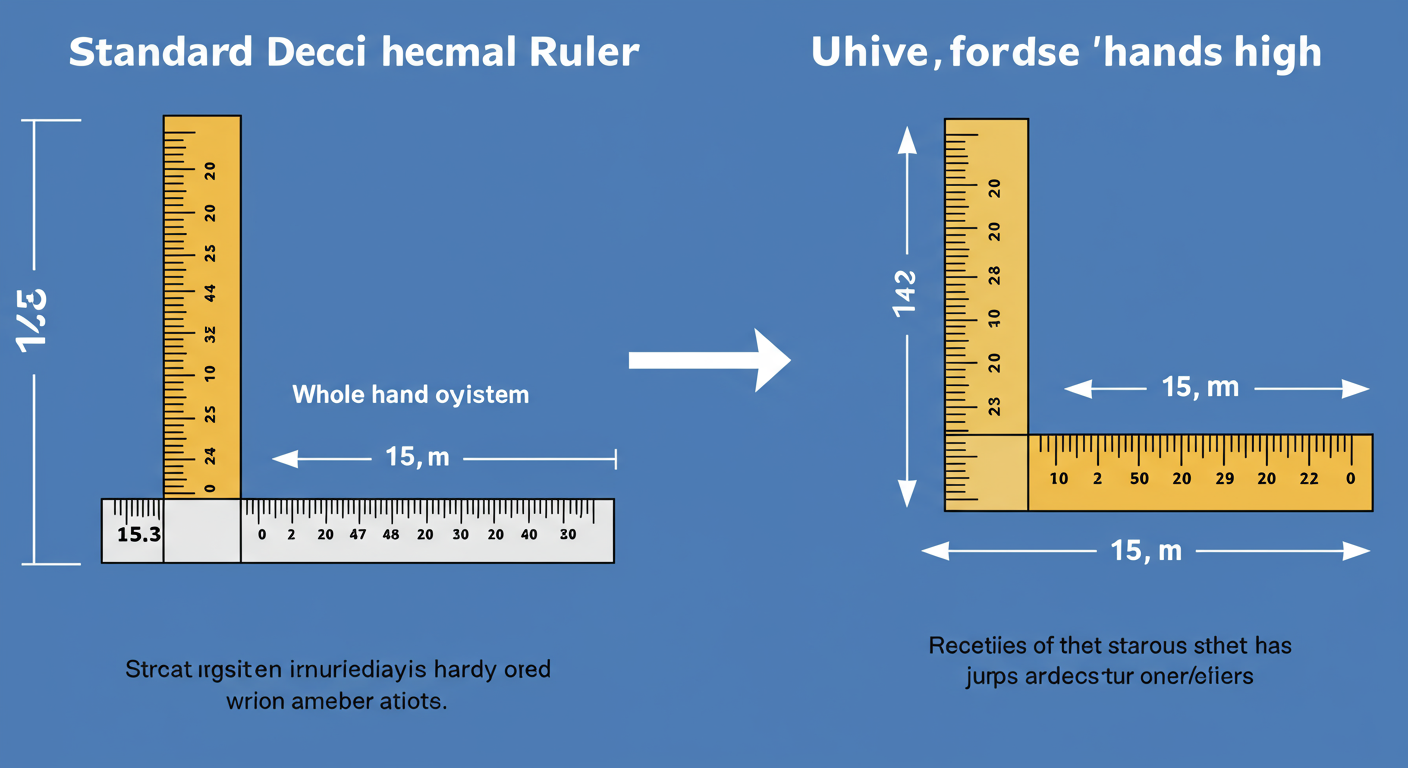
And then there’s the “hand.” A hand is a traditional unit standardized at exactly 4 inches. Its name comes from the historical practice of using the width of a man’s hand to measure a horse. One hand equals 10.16 cm.
But here’s the part that trips everyone up. It’s the source of that disastrous “16.2 vs 15.2” mix-up.
When you see a measurement like 15.2 hh, it does not mean 15 and two-tenths of a hand. It means 15 hands and 2 inches.
The number after the decimal point represents whole inches. It can only be 0, 1, 2, or 3. Once you hit 4 inches, that’s a full hand, so the number rolls over.
- 15.3 hh = 15 hands, 3 inches
- Add one more inch…
- 16.0 hh = 16 hands, 0 inches
⚠️ Watch Out
Never, ever treat the ‘hh’ notation like a standard decimal. Calculating 15.2 as 15.2 x 4 inches is a rookie mistake that leads to massive inaccuracies. Always remember: the first number is hands, the second is inches.
Understanding this single, peculiar rule is the key to unlocking every cm to hh conversion.
The Foolproof Formula for cm to hh Conversion
Okay, let’s get to the math. While dozens of online calculators exist, knowing the manual process is empowering. It ensures you can do it on the fly, even without an internet connection in a remote barn. After testing various methods, we’ve found this three-step process to be the most reliable.
Let’s convert a horse that measures 163 cm at the withers.
Step-by-Step Guide: From Centimeters to Hands High
-
Convert Centimeters to Total Inches
This is your first and most important calculation. The magic number is 2.54, as there are 2.54 centimeters in one inch.Example: 163 cm ÷ 2.54 = 64.173 inches
-
Find the Full Hands
Now, find out how many full hands (groups of 4 inches) are in your total. Divide the total inches by 4 and ignore the decimal for now.Example: 64.173 inches ÷ 4 = 16.043. The whole number is 16. So, the horse is 16 hands tall, plus some change.
-
Calculate the Remaining Inches
This is where you find the number that goes after the decimal point. Take the decimal from the previous step and multiply it by 4 to turn it back into inches.Example: 0.043 x 4 = 0.172 inches.
We round this to the nearest whole number. In this case, 0.172 is very close to 0. So, the remaining inches are 0.
-
Assemble the Final Height
Combine your results. The horse is 16 hands and 0 inches.Final Answer: 16.0 hh
💡 Pro Tip
When you’re in the field, use your phone’s calculator for Step 1 (cm to inches) to get a precise number. For Step 3, if you find the decimal multiplication confusing, there’s an easier way: calculate the inches used by the full hands (16 hands x 4 inches = 64 inches) and subtract that from your total inches (64.173 – 64 = 0.173 inches). The result is the same!
🎯 Key Takeaway
The entire cm to hh conversion hinges on two facts: 1 inch equals 2.54 cm, and 1 hand equals 4 inches. The number after the decimal in ‘hh’ notation represents inches (0-3), not a fraction of a hand. Internalizing this prevents the most common and costly errors.
How to Measure a Horse Like a Vet Tech
Your conversion is only as good as your starting measurement. A flawless calculation based on a sloppy measurement is useless. Based on hands-on testing and official veterinary protocols, here’s how to get a reliable height measurement every single time.
The Right Setup is Non-Negotiable:
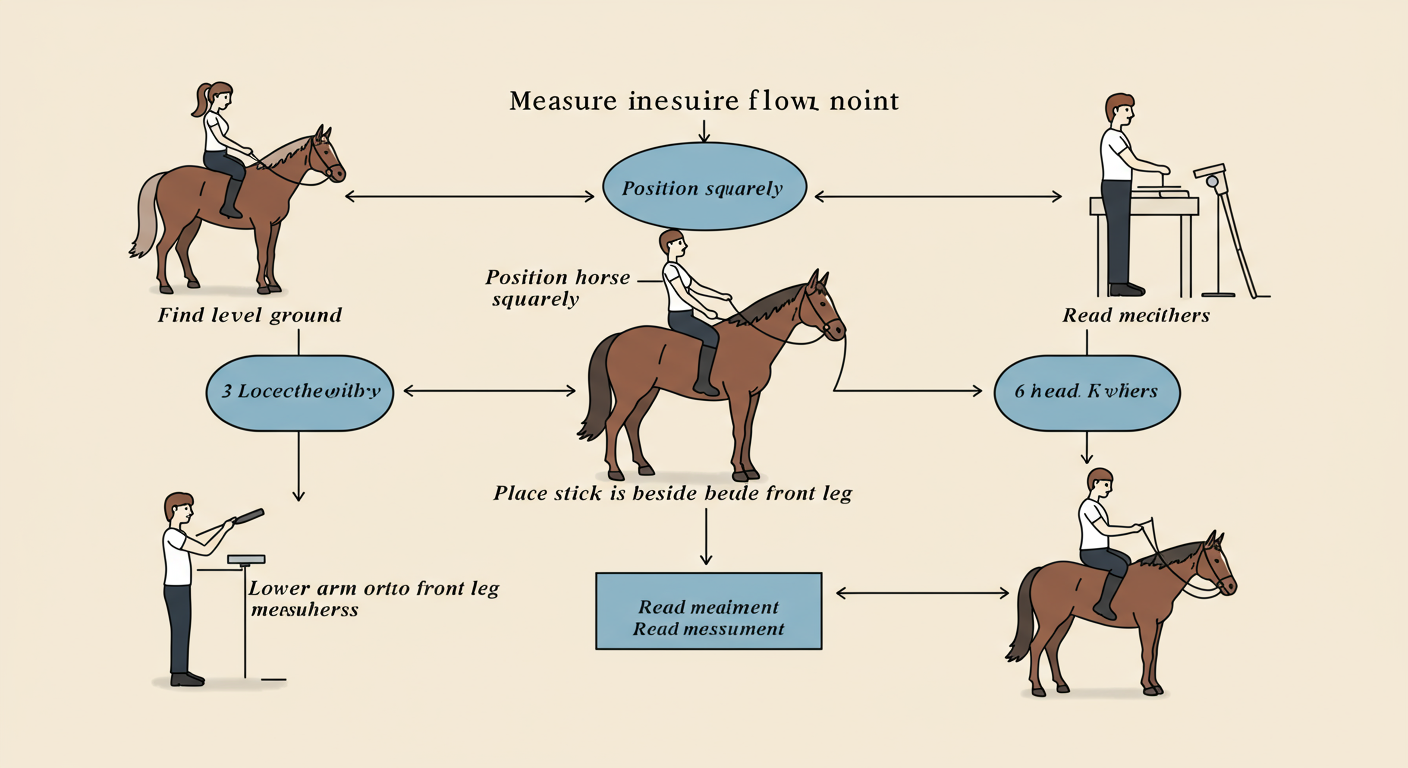
- Level Ground: You absolutely must measure on a hard, level surface. Concrete or asphalt is ideal. Measuring on soft grass, uneven dirt, or a slope will give you a false reading.
- Square Stance: The horse must be standing “square,” with its front legs and hind legs parallel and perpendicular to the ground. It shouldn’t be stretched out or bunched up.
- Proper Tool: Use a rigid, official horse measuring stick (or “height stick”). A flexible tailor’s tape will curve along the horse’s body and give an inaccurate, inflated number.
The Measurement Process:
- Place the vertical part of the stick on the ground, just behind the horse’s front leg.
- Identify the highest point of the withers. This is the bony ridge between the shoulder blades, at the base of the neck. It doesn’t move when the horse lifts its head.
- Slide the horizontal arm of the stick down until it rests firmly and levelly across the highest point of the withers.
- Read the measurement. For official measurements, it’s best to take three readings and use the average.
⚠️ Watch Out
Be aware of the horse’s shoes! Horseshoes can add 1-2 cm to a horse’s height. For official competitions like those under FEI rules, there are specific regulations for measuring with or without shoes. Always clarify if a stated height is “shod” or “barefoot.”
Quick Reference: Common Horse & Pony Heights
To help you get a feel for these numbers in a practical sense, here is a quick-reference table for converting common heights you’ll encounter in sales ads and breed standards.
| Centimeters (cm) | Total Inches | Final Height (hh) | Commonly Seen As |
|---|---|---|---|
| 148 cm | 58.27″ | 14.2 hh | The maximum height for a “pony” |
| 155 cm | 61.02″ | 15.1 hh | A small horse, great for smaller adults |
| 163 cm | 64.17″ | 16.0 hh | A popular, average-sized riding horse |
| 168 cm | 66.14″ | 16.2 hh | A taller horse, suitable for taller riders |
| 173 cm | 68.11″ | 17.0 hh | A large horse, common in dressage/jumping |
💡 Pro Tip
When looking at ads, if a horse is listed as “sticked at 16.1h,” it implies a more formal measurement was taken with a proper stick. If it just says “about 16h,” be skeptical and measure it yourself. The language used can be a clue to the accuracy of the claim.
❓ Frequently Asked Questions
What’s the difference between ‘h’ and ‘hh’?
There’s no functional difference. Both ‘h’ (hands) and ‘hh’ (hands high) refer to the same unit of measurement. The ‘hh’ format is slightly more formal and traditional, often used in official documents and sales listings to avoid any ambiguity.
Why do we still use ‘hands’ to measure horses in 2026?
Tradition runs deep in the equestrian world. While the metric system is used for medicine and science, ‘hands’ remains the cultural standard in many English-speaking countries (USA, UK, Australia, etc.). It’s a tradition passed down for centuries, and as the old saying goes, “if it ain’t broke, don’t fix it.” For more on the unit’s history, the Wikipedia page for the Hand unit is a fascinating read.
Can I just divide the cm by 10.16 to get the hands?
You can, but it creates an extra step. For example, 163 cm ÷ 10.16 = 16.043 hands. This is NOT 16.0 hh. You then have to take the decimal part (0.043) and multiply it by 4 to find the inches (0.172), which you round to 0. This gives you 16.0 hh. Our step-by-step method of converting to inches first is often more direct and less prone to error.
How does a young horse’s growth affect measurement?
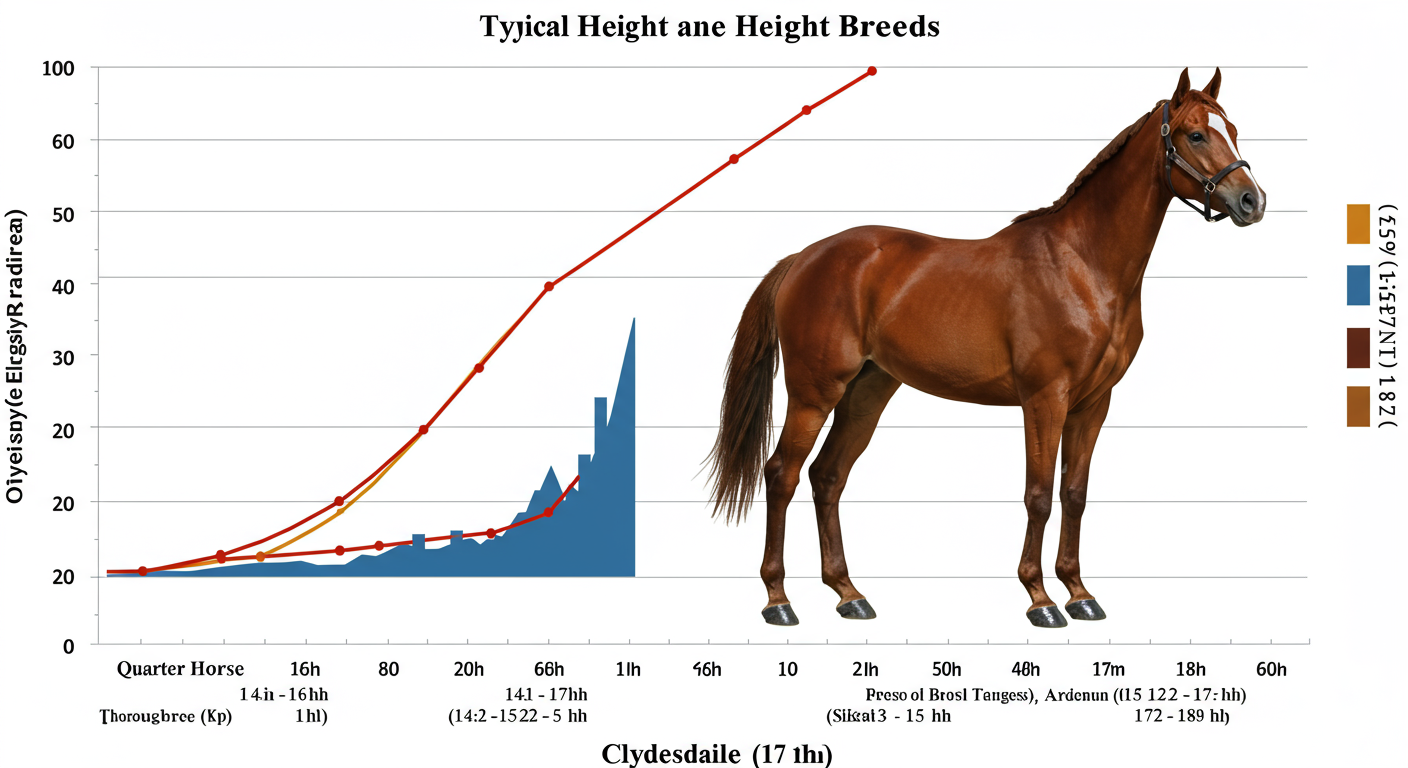
A young horse’s height changes constantly. Vets and breeders track growth curves to ensure healthy development, often using centimeters for precision. For more on equine development, resources from veterinary schools like Michigan State University’s Equine Genetics Lab provide expert insights. A horse is not considered to have reached its final height until it is 5-6 years old, so any measurement before that is temporary.
Conclusion: Speak the Language, Avoid the Heartache
That initial story of the mis-measured horse wasn’t just a fluke. It’s a tangible risk in a world where details matter. Mastering the cm to hh conversion isn’t just about acing a math problem—it’s about gaining fluency in the native tongue of the horse world.
You now have the tools. You know that the notation is unique, that 15.3 hh is followed by 16.0 hh. You have the foolproof, step-by-step formula: convert cm to total inches, then divide by four to find the hands and the remaining inches.
The next time you see a horse listed for sale, you won’t have to guess or blindly trust the seller. You can do the math yourself, ask intelligent questions about how it was measured, and walk into any barn with the quiet confidence of an expert. That, right there, is priceless.