
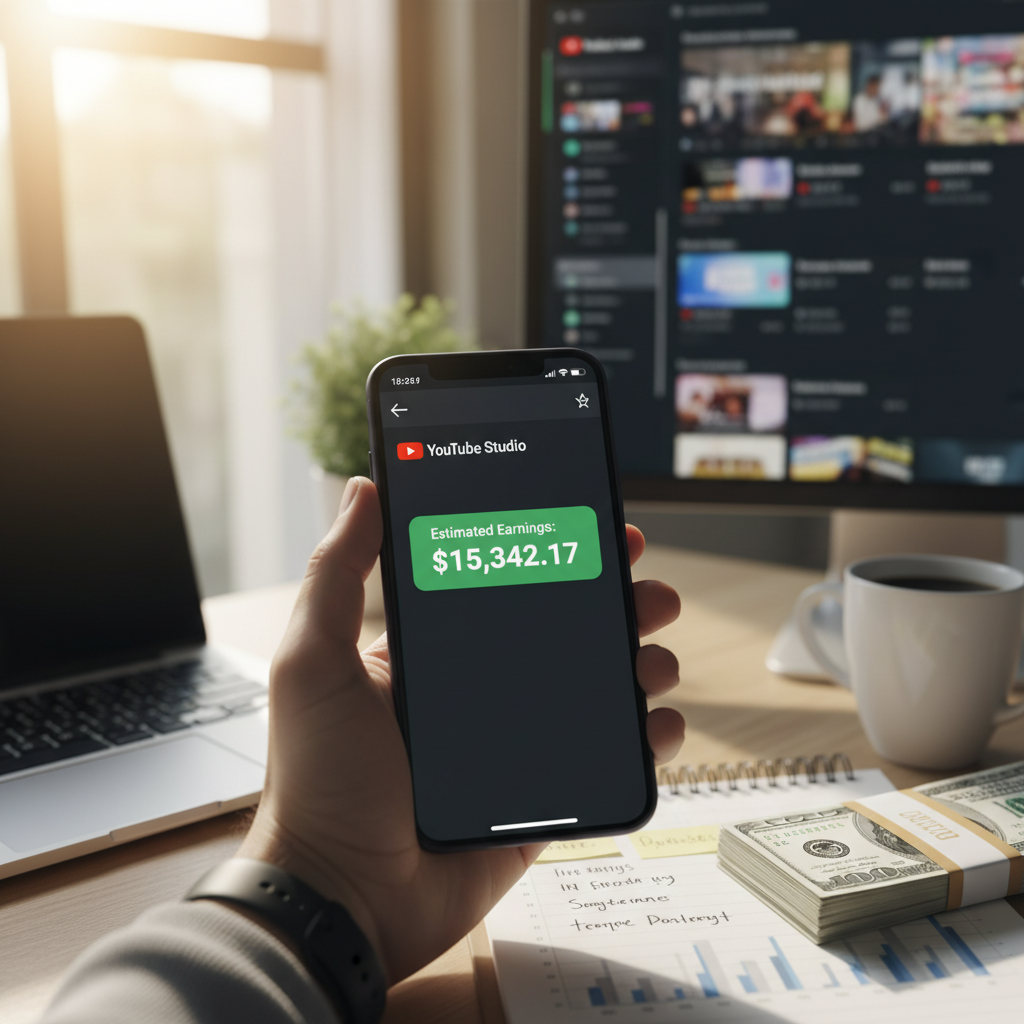
The Creator Economy Boom: Understanding YouTube Earnings in India
The dream of turning video creation into a sustainable career is more achievable than ever, especially in a massive digital market like India. Aspiring and current creators often ask the million-dollar question: how much YouTube pays for 1000 views in India? This is the central metric that dictates financial success on the platform, yet the answer is rarely a simple number. Unlike fixed salaries, YouTube revenue is highly dynamic, influenced by audience demographics, content niche, viewer engagement, and crucial advertising metrics.
If you are creating content for the Indian audience or based in India, understanding the specific revenue per mille (RPM) benchmarks is critical for setting realistic financial goals. In this comprehensive guide, we will break down the complexities of YouTube monetization, providing you with actionable data and strategies tailored for the Indian subcontinent.
Understanding CPM vs. RPM: The Core Metrics of Monetization
Before we pinpoint how much YouTube pays for 1000 views in India, we must clarify the two main terms used in ad revenue calculation:
- CPM (Cost Per Mille): This is the amount advertisers are paying YouTube (and by extension, Google AdSense) for 1,000 ad impressions on your video. This figure reflects the demand and competition among brands for your specific audience.
- RPM (Revenue Per Mille): This is the net revenue you actually receive per 1,000 views. RPM is lower than CPM because it accounts for the 45% cut YouTube takes from the ad revenue, as well as views that were not monetized (e.g., viewers using ad-blockers or those who skipped ads). RPM is your true earning metric.
Generally, YouTube’s standard revenue split means that you, the creator, receive 55% of the gross ad revenue generated on your videos.
The Reality Check: How Much YouTube Pays for 1000 Views in India
The range for RPM in India is notoriously wide, but based on industry benchmarks and creator reports, the typical RPM for channels primarily serving an Indian audience falls between $0.50 and $3.00 USD per 1,000 monetized playbacks. This translates roughly to ₹40 to ₹250 per 1,000 views.
Why such a vast difference? Because advertisers pay significantly less for impressions targeted at consumers in emerging economies compared to consumers in Tier 1 countries like the United States, Canada, or the UK. However, the exact rate depends heavily on the factors we discuss below.
Low-End RPM Example (India)
A channel focused on general entertainment or regional music might see an RPM closer to $0.50 to $1.00. This is often due to high supply of similar content and lower purchase intent from the audience.
High-End RPM Example (India)
A channel specializing in finance, high-end technology reviews, or educational content (targeting professionals) could achieve an RPM of $2.50 to $4.00+. These niches attract lucrative advertisers.
The Global Audience Factor
If 30% of your viewership comes from the US or Europe, your overall RPM will increase dramatically, even if your content is primarily in Hindi or another Indian language, simply because the CPM for those geographical locations is higher.
Key Factors Determining Your Indian YouTube Revenue
Understanding these variables is crucial if you want to optimize your income potential. Simply hitting 1,000 views isn’t enough; you need 1,000 *high-value* views.
Audience Geography: The Biggest Lever
This is arguably the most important factor in determining how much YouTube pays for 1000 views in India. Advertisers prioritize audiences based on purchasing power. If your audience is concentrated in major metro areas of India, or better yet, includes a significant diaspora audience in high-CPM countries (like the US, UK, Australia, or UAE), your RPM will soar.
- Tier 1 Countries: US/UK/Canada often yield CPMs of $8 – $25+.
- India (General): CPMs typically range from $1.00 – $5.00.
To maximize earnings, many Indian creators focus on creating content that appeals to the global Indian diaspora.
Niche Down: High-Paying vs. Low-Paying Content Categories
Your content category dictates the type of advertisers who bid on your videos. Niches that involve direct financial transactions or high consumer spending attract higher bids.
High-CPM Niches
- Finance & Investing: Banks, brokerage firms, insurance.
- B2B Software & Tech: SaaS companies, hosting providers.
- Luxury Goods: High-end cars, watches, and travel.
- Educational Content: Focused on professional skills or competitive exams.
Lower-CPM Niches
- Vlogging & Lifestyle: General daily life, often broad appeal.
- Gaming (Casual): Though high volume, often lower ad spend per view.
- Comedy & Skits: High entertainment value, but less targeted ad placement.
- Regional Music & Entertainment: Highly localized advertising budgets.
As industry experts often note, “Monetization success isn’t about the volume of views, but the value of the viewer.”
Ad Format and View Duration
The format of the ads shown makes a huge difference. Skippable video ads generally pay less than non-skippable ads or bumper ads. Furthermore, YouTube favors longer videos (8+ minutes) because they allow for multiple mid-roll ads, significantly increasing the opportunity for ad impressions and boosting your overall RPM.
To maximize the number of monetized views, ensure your video retention is high. If viewers drop off quickly, they won’t see the mid-roll ads, negatively impacting your RPM.
Calculating Your Potential Earnings: RPM Benchmarks in India
Let’s look at some practical scenarios to illustrate how RPM dictates revenue when calculating how much YouTube pays for 1000 views in India.
If you have a dedicated audience and high retention, your earnings can scale quickly. For example, a channel with a consistent $1.50 RPM targeting the Indian market would generate the following revenue:
- 10,000 Views: $15.00
- 100,000 Views: $150.00
- 1,000,000 Views: $1,500.00
If you want to estimate your potential revenue based on your current metrics or future projections, utilizing a dedicated YouTube Money Calculator can provide valuable insights into your channel’s financial health.
It is also important to note that the eligibility criteria for the YouTube Partner Program (YPP) require 1,000 subscribers and 4,000 valid public watch hours in the last 12 months, or 10 million Shorts views in the last 90 days. Getting accepted into the YPP is the first step toward generating ad revenue. You can review the official YouTube Partner Program eligibility requirements for the most up-to-date information.
Beyond AdSense: Diversifying Your YouTube Income Streams
Relying solely on AdSense revenue, especially with the relatively lower RPMs in the Indian market, can be precarious. Successful Indian creators generate the majority of their income through diversified strategies. AdSense should be viewed as supplementary income, not the primary lifeline.
1. Direct Sponsorships & Brand Deals
This is often the most lucrative stream. Brands pay creators directly to promote a product or service. Rates are negotiated based on reach, niche, and engagement, and can range from ₹10,000 to ₹5,00,000+ per video for mid-tier creators in India.
2. Affiliate Marketing
Promoting products via unique links (especially Amazon India, software, or course platforms). This works excellently for review and tutorial channels. Earnings are performance-based, giving you control over earning potential.
3. Channel Memberships & Super Chats
YouTube features like Channel Memberships, Super Chats, and Super Stickers allow your most dedicated fans to contribute directly. While typically a smaller percentage of total income, it provides stability and fosters community.
4. Selling Digital Products or Courses
If your channel is educational or skill-based, selling your own e-books, premium courses, or private consulting sessions offers 100% profit margin and establishes you as an industry authority.
Optimizing Content to Maximize Earnings in the Indian Market
Maximizing revenue isn’t just about quantity; it’s about strategic optimization to attract premium ad dollars. The way you structure your content and metadata directly impacts the CPM bidders.
Advanced Strategies for Higher CPM
To move your channel toward the higher end of the typical $0.50–$3.00 RPM range, implement these strategies:
- Target High-Value Keywords: Focus on topics that companies spend heavily on, such as “best credit cards,” “stock market investing for beginners,” or “career growth strategies.” Use proper SEO tools to identify these lucrative search terms.
- Improve Watch Time and Retention: High retention signals to YouTube that your content is valuable, leading the algorithm to show more ads and place your videos in front of more valuable viewers.
- Strategic Ad Placement: For videos over eight minutes, manually place mid-roll ads strategically where there is a natural break in the content, ensuring viewers are less likely to skip the segment.
- Optimize Metadata for Global Search: Even if your content is in Hindi, ensure your title, description, and tags include English terms related to your niche. This helps global advertisers find your videos.
The global digital advertising landscape continues to grow, meaning the potential for creators to earn substantial revenue is increasing. However, creators must remain adaptive to economic shifts and advertiser demands. Research conducted by reputable financial sources shows that digital ad spending continues its upward trajectory globally, providing a strong foundation for future creator earnings (Source: Financial Times on Digital Ad Trends).
FAQs
A good RPM for a channel primarily targeting the Indian audience is generally considered to be above $1.50 (₹120) per 1,000 monetized views. Channels focusing on high-demand niches like finance, technology, or high-end education may achieve RPMs closer to $2.50 to $4.00, especially if they capture a significant diaspora audience.
Yes, language significantly impacts CPM. While Hindi and other regional language content has massive viewership volume, the CPM is often lower than English-language content because English content typically attracts advertisers targeting global, high-purchasing power demographics. However, regional language content is seeing increasing ad investment as local businesses expand their digital presence.
Your RPM is primarily determined by the geographic location of the viewer, not your physical location. If the majority of your monetized views come from the US, your RPM will reflect the higher US CPM rates (typically $8–$20+), even if you are operating the channel from India.
Assuming a high-average RPM of $2.00 (approx. ₹165) and considering the exchange rate, you would need approximately 600,000 to 700,000 monetized views per month solely from AdSense to reach ₹1,00,000. However, this target becomes much easier to achieve when integrating sponsorships and affiliate marketing.
Yes. YouTube Shorts monetization works differently, drawing revenue from a creator pool fund rather than direct ad placement on each video. While the viewership numbers for Shorts can be massive, the resulting RPM is often significantly lower than that of well-monetized long-form videos (often ranging from $0.03 to $0.15 per 1,000 views in the Indian market).
Conclusion: Strategy Over Volume
While the question of how much YouTube pays for 1000 views in India yields a variable answer—typically ranging from $0.50 to $3.00 RPM—the ultimate takeaway is that earnings are driven by strategic choices, not just sheer volume. Creators who focus on high-CPM niches (like finance and tech), target diaspora audiences, prioritize retention, and successfully diversify their revenue streams beyond AdSense are the ones who build truly sustainable and profitable YouTube careers in the vibrant Indian creator ecosystem. Focus on providing immense value, and the advertisers will follow.
Read Also:
- Finding Your Healthy Balance: The Comprehensive ideal weight for height and age chart Guide
- Mastering Productivity: The Ultimate Eisenhower Matrix Template Online Guide
- Mastering the CAT Score vs Percentile Predictor 2025: Your Definitive Guide
- Unlock Growth: The Ultimate Guide to Using a Free YouTube Tag Generator for Views
- 10 Essential Insights on Using a File Converter: The Ultimate 2025 Guide
- Master SEO Writing for Google in 2026
- Split PDFs Like a Pro in 2026
- Unlock Your Writing Superpower in 2026
- Your 2026 YouTube Tag Growth Hack