
The Fundamentals of a Currency Exchange Rate Calculator: Money Saving Tips for International Travel
Traveling the world is one of the most enriching experiences a person can have, but it can also be a significant financial undertaking. One of the most common mistakes travelers make is failing to account for the nuances of foreign exchange. Without a solid strategy, you could lose up to 10% of your budget simply by converting your money at the wrong time or place. Utilizing a currency exchange rate calculator money saving tips approach is essential for anyone looking to stretch their hard-earned cash further. By understanding how exchange rates work and using the right tools, you can ensure that you are getting the most value for every transaction you make abroad.
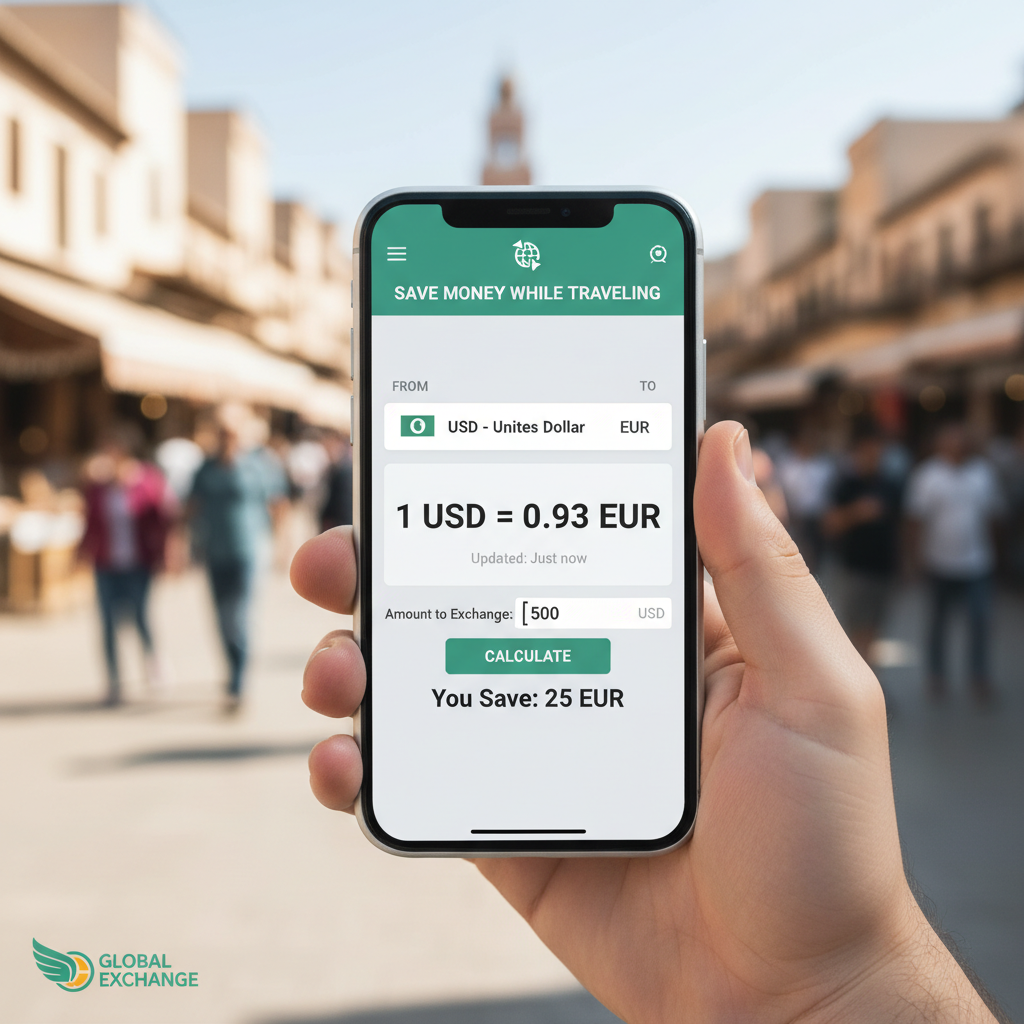
When you start planning your trip, the first thing you should do is familiarize yourself with the mid-market rate. This is the real exchange rate that banks use to trade money between themselves. Most retail exchange services, such as those found in airports or hotels, will offer you a rate that is significantly worse than this mid-market rate, pocketing the difference as a hidden fee. Using a reliable Currency Exchange Tool allows you to stay updated on these fluctuations in real-time, providing you with a baseline to compare against any physical exchange booth you encounter.
Currency Exchange Rate Calculator Money Saving Tips: How to Avoid High Transaction Fees
One of the most critical currency exchange rate calculator money saving tips is to avoid exchanging money at airports at all costs. While the convenience of a kiosk right after you land is tempting, these locations often have the highest overhead costs and pass those expenses on to you through terrible exchange rates and high service fees. Instead, wait until you reach the city center or use an ATM. Local ATMs usually provide a much better rate, provided you follow a few simple rules. Always ensure your home bank doesn’t charge exorbitant international withdrawal fees, and if the ATM asks whether you want to be charged in your home currency or the local currency, always choose the local currency.
This phenomenon is known as Dynamic Currency Conversion (DCC). It sounds helpful—allowing you to see exactly how much you are spending in your home currency—but it is almost always a trap. When you choose DCC, the merchant or the ATM provider chooses the exchange rate, and it is rarely in your favor. By choosing to pay in the local currency, you allow your own bank to handle the conversion, which is typically done at a much more competitive rate. For more information on how global markets dictate these numbers, you can refer to Investopedia’s guide on exchange rates.
Use No-Fee Credit Cards
Many modern travel credit cards offer zero foreign transaction fees. This can save you 3% on every single purchase you make while abroad.
Avoid Airport Kiosks
Airport exchange booths often have margins as high as 15% away from the mid-market rate. Always plan ahead to avoid them.
Withdraw Larger Sums
If your bank charges a flat fee per ATM withdrawal, it is more cost-effective to take out a larger amount of cash once rather than small amounts frequently.
Check Rates Daily
Exchange rates are volatile. Checking a calculator daily helps you decide if it is a good day to make a large purchase or withdrawal.
Maximizing Your Travel Budget Using Currency Exchange Rate Calculator Money Saving Tips
Another layer of currency exchange rate calculator money saving tips involves the use of digital banking apps and fintech solutions. Companies like Wise, Revolut, and Monzo have revolutionized how travelers handle money. These platforms often allow you to hold multiple currencies in a single account and convert them at the interbank rate with only a small, transparent fee. By using a calculator to monitor the market, you can “lock in” a favorable rate weeks or even months before your trip begins. This proactive approach takes the guesswork out of budgeting and protects you from sudden devaluations of your home currency.
Furthermore, it is wise to have a backup plan. Never rely on a single card or a single method of payment. Technical glitches happen, and cards can be swallowed by ATMs. Carrying a small amount of “emergency” cash in a major global currency like US Dollars or Euros can be a lifesaver. However, don’t convert this emergency cash unless absolutely necessary. Keep it tucked away and use your digital tools for 99% of your transactions. Before finalizing your travel financial plan, please review our terms of service for usage guidelines on our digital resources.
The Benefits of a Reliable Currency Exchange Tool
A high-quality currency exchange rate calculator money saving tips strategy relies on the accuracy of your data. Not all calculators are created equal. Some apps use delayed data, which can be misleading during times of high market volatility. A professional tool provides live feeds from global markets, ensuring that when you are standing at a counter in Tokyo or London, you know exactly what the fair price should be. This empowers you to walk away from bad deals. Knowledge is power, and in the world of foreign exchange, knowledge is literally money in your pocket.
Top Strategies for Using a Currency Exchange Rate Calculator: Money Saving Tips for Digital Nomads
For those who travel long-term, such as digital nomads, currency exchange rate calculator money saving tips become even more vital. When you are moving between countries every month, the cumulative effect of small fees can be devastating to your savings. Digital nomads should look for “neobanks” that offer the best possible rates and low-cost international transfers. Additionally, understanding the local economy of your destination can help. In some countries, cash is still king, and you will need to find the best local banks that do not charge “non-customer” fees for ATM usage.
It is also beneficial to keep an eye on the “Latte Factor” in foreign exchange. Small, daily purchases made with a card that has a poor exchange rate or a hidden transaction fee can add up to hundreds of dollars over a month-long trip. By using a calculator to check the cost of common items in your home currency, you maintain a better psychological grip on your spending. It is easy to feel like you are spending less when the numbers on the price tag look smaller than what you are used to at home. For expert advice on selecting the right financial products, check out Forbes’ advice on no-foreign-transaction-fee cards.
Why Timing Matters: A Critical Currency Exchange Rate Calculator Money Saving Tip
The timing of your currency conversion can be just as important as the method. Market trends often follow predictable patterns, though they are never guaranteed. For example, markets are closed on weekends, and many exchange bureaus will widen their spreads (the difference between the buy and sell price) to protect themselves against price gaps when the markets reopen on Monday. One of the best currency exchange rate calculator money saving tips is to perform your conversions during mid-week market hours when liquidity is highest and spreads are tightest.
Conclusion
Navigating the complex world of international finance doesn’t have to be a headache. By implementing these currency exchange rate calculator money saving tips, you can transform from a naive tourist into a savvy global traveler. Remember to always check the mid-market rate, avoid the convenience traps of airports, use modern fintech solutions, and always pay in the local currency. Traveling is about the memories you create, not the fees you pay to a bank. With a little bit of preparation and the right tools, you can ensure your budget goes exactly where it should: toward your next great adventure.
FAQs
The mid-market rate is the midpoint between the buy and sell prices of two currencies. It is the real exchange rate without any added margins or hidden fees usually charged by retail banks and exchange booths.
Usually, no. Your local bank at home rarely offers the best rates for foreign currency. It is typically better to use a no-fee ATM or a travel-specific debit card once you arrive at your destination.
Choosing the local currency avoids Dynamic Currency Conversion (DCC), where the merchant sets a poor exchange rate. Paying in local currency lets your bank handle the conversion at a much fairer rate.
Most reputable apps are very accurate for the mid-market rate. However, remember that the rate you see on an app is rarely the rate you will get at a physical exchange booth, as they add their own commission.
Many travel forums and apps like ‘ATM Fee Saver’ can help you locate specific bank branches in foreign countries that do not charge additional fees for international cardholders.
Read Also:
- The Comprehensive GST Return Filing Checklist Small Business India Needs to Master Compliance
- The Ultimate YouTube Tag Extractor Video SEO Guide for 2024+
- Meta Tag Generator Tools: How to Create Optimized Meta Descriptions
- Mastering the GST Calculation Formula: Practical Examples for India Business Success
- Merge PDFs Like a Pro in 2026
- Your Perfect X Image Guide for 2026