
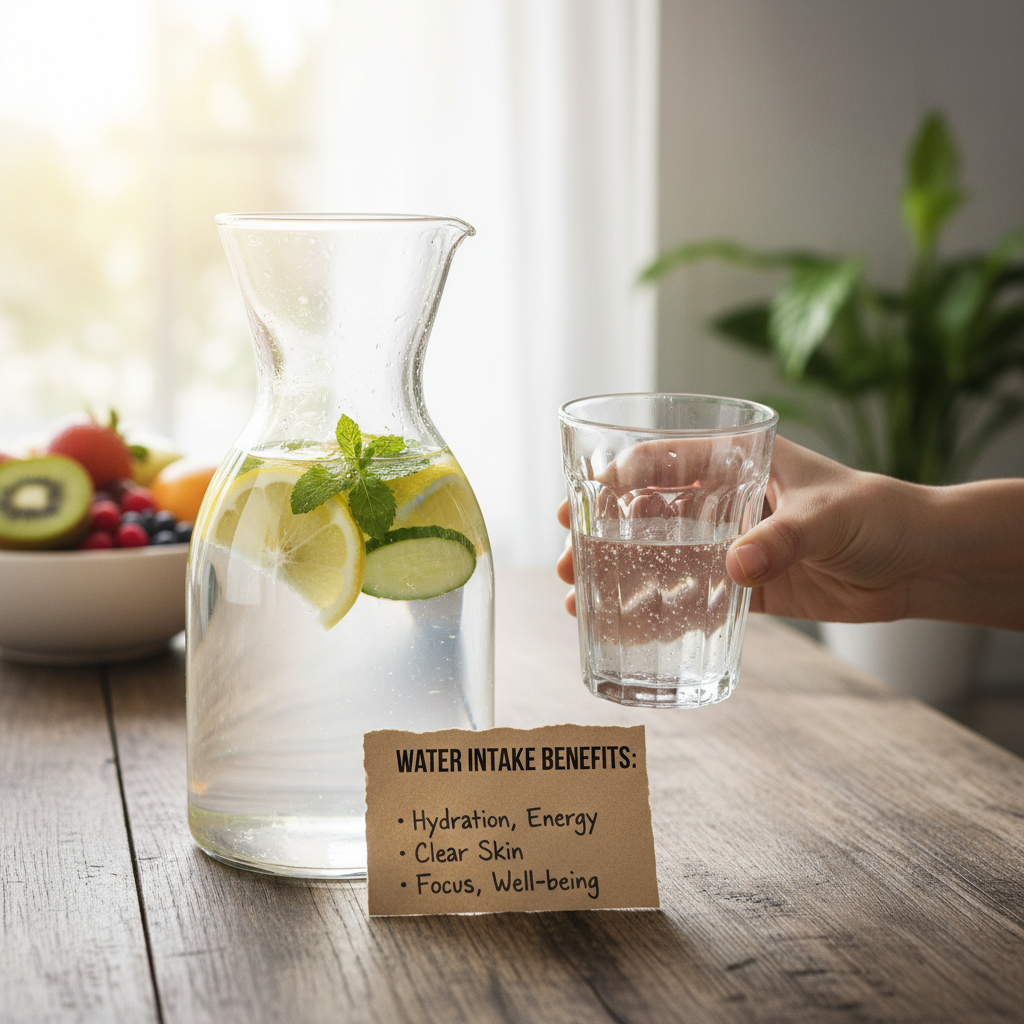
The Crucial Role of Hydration: Why Calculating Your Needs Matters
Water is the fundamental ingredient for life, making up about 60% of the adult human body. Yet, despite its critical importance, many people consistently live in a state of mild dehydration, often mistaking thirst for hunger or fatigue. Understanding personalized hydration is the first step toward unlocking profound health improvements, from sharper cognitive function to improved physical performance.
If you have ever wondered, “Exactly how much water should I drink a day calculator results recommend for me?” you are asking the right question. Generic advice like “drink eight glasses a day” is often insufficient because hydration needs are highly personal, varying based on weight, activity level, climate, and overall health. Relying on a personalized calculation ensures you meet your body’s specific demands.
Understanding the Comprehensive Water Intake Benefits
The advantages of optimal hydration extend far beyond simply quenching thirst. When your body receives the correct amount of H2O, every biological system functions more efficiently. These benefits are cumulative, leading to significant long-term health improvements.
Boosted Energy and Cognitive Performance
Even mild dehydration (a loss of 1-3% of body weight) can impair brain function. Studies have consistently shown that dehydration negatively affects mood, concentration, and memory. Proper water intake ensures adequate blood flow to the brain, allowing neurons to fire efficiently. If you find yourself experiencing the midday slump, increasing your water intake might be the simplest solution. Hydration acts as a natural lubricant for cognitive processing.
Improved Physical Performance and Recovery
For athletes and active individuals, water intake is paramount. Water helps regulate body temperature through sweating, prevents muscle cramps, and lubricates joints. During intense exercise, the body loses significant fluids, and failing to replenish them rapidly diminishes endurance and strength. Optimal hydration aids in the transport of nutrients and oxygen to muscles and helps remove metabolic waste products like lactic acid, speeding up recovery.
Essential for Digestion and Nutrient Absorption
Water is crucial for the entire digestive process. It is necessary for forming saliva, which starts the breakdown of food. Furthermore, adequate water intake prevents constipation by helping to keep stools soft and moving through the digestive tract. It also aids in dissolving nutrients, making them accessible for absorption into the bloodstream.
Cardiovascular Health Support
Proper hydration maintains blood volume, ensuring the heart doesn’t have to work harder than necessary to pump blood and oxygen throughout the body. This supports healthy blood pressure levels.
Skin Health and Appearance
Well-hydrated skin looks plumper, reducing the appearance of fine lines and wrinkles. Water helps flush out toxins, contributing to a clearer complexion and overall skin elasticity.
Kidney Function and Detoxification
The kidneys rely heavily on water to filter waste products from the blood and excrete them through urine. Adequate intake dilutes minerals and salts, reducing the risk of kidney stones.
Weight Management Aid
Drinking water, especially before meals, can increase satiety and boost metabolism slightly. Often, the body mistakes thirst signals for hunger, leading to unnecessary calorie consumption. Staying hydrated helps manage appetite effectively.
Finding Your Personalized Target: How Much Water Should I Drink a Day Calculator Explained
While the general recommendation often hovers around 64 ounces (eight 8-ounce glasses), the truth is that your ideal fluid intake is a dynamic number. Factors like environmental temperature, physical exertion, diet, and even certain medications necessitate a personalized approach. This is precisely why specialized tools are so valuable when determining how much water should I drink a day calculator metrics suggest.
A reliable Water Intake Calculator uses several key inputs to provide a precise, actionable goal, moving beyond generalized estimations. It turns guesswork into a science-backed routine.
Key Variables Affecting Water Requirements
To accurately determine your hydration needs, calculators factor in several critical variables:
- Body Weight: Heavier individuals generally require more water to support metabolic functions and maintain blood volume.
- Activity Level: Those who exercise vigorously or perform physically demanding jobs lose significantly more fluid through sweat and require substantial replenishment.
- Climate and Altitude: Living in hot, humid climates or high altitudes increases fluid loss, demanding higher intake.
- Health Status: Conditions like fever, diarrhea, vomiting, or breastfeeding substantially increase hydration needs.
“The color of your urine is often the simplest and most reliable indicator of your hydration status. Pale yellow is optimal; dark yellow or amber signals the need for immediate fluid intake,” notes general health advice.
The Intersection of Metabolism and Optimal Hydration
Hydration plays an intimate role in metabolic processes. Every chemical reaction in the body, including those involved in energy expenditure and fat burning, requires water as a medium. If cellular hydration is compromised, metabolic efficiency drops.
How Metabolism and BMR Interact with Water Intake
Your Basal Metabolic Rate (BMR)—the energy your body burns at rest—is supported by consistent hydration. Water is necessary for the production of adenosine triphosphate (ATP), the primary energy currency of your cells. When you use a tool to calculate daily calories guide, remember that those calorie needs are directly tied to biological functions that depend on sufficient water. If you are trying to manage weight, ensuring you meet the target set by the how much water should i drink a day calculator can subtly yet significantly improve metabolic function.
Furthermore, studies published by institutions like the Centers for Disease Control and Prevention (CDC) emphasize that replacing sugary drinks with water is one of the most effective dietary changes for weight management and overall health improvement. The CDC recommends choosing water over sweetened beverages to reduce caloric intake while ensuring adequate fluid levels.
Practical Strategies for Achieving Your Calculated Water Goal
Knowing your target is only half the battle; consistency is key. Integrating the recommendation from the how much water should I drink a day calculator into your daily routine requires planning and awareness.
Start the Day Strong
Drink 16 ounces immediately upon waking. This rehydrates the body after a long period of sleep and kickstarts your metabolism and organs.
Use Technology Reminders
Utilize apps or smart water bottles that track your intake and send hourly reminders. Consistency is easier when automated.
Flavor Infusion
If plain water is challenging, infuse it with natural flavors like lemon, cucumber, mint, or berries. This boosts palatability without adding sugar.
Schedule Water Breaks
Tie water intake to fixed daily events: before every meal, during your commute, and after every bathroom break. Treat it like a non-negotiable appointment.
Addressing Common Hydration Myths
Misinformation about hydration can lead to either inadequate intake or unnecessary stress about overconsumption. Let’s clarify some common misconceptions.
Myth: Coffee and Tea Don’t Count
Fact: While caffeinated beverages have a mild diuretic effect, their fluid content still contributes significantly to your daily total hydration. They should not be your primary source, but they do count toward your goal.
Myth: You Must Drink Only Water
Fact: About 20% of your daily fluid intake comes from food, especially fruits and vegetables like watermelon, spinach, and oranges. Soups and milk also contribute heavily.
Myth: Thirst is the Only Indicator
Fact: Thirst is often a delayed signal, especially in older adults or during intense exercise. By the time you feel thirsty, you may already be mildly dehydrated. Consistent, proactive drinking is best.
The Dangers of Dehydration and Overhydration
While the focus is often on increasing intake, it is important to understand the risks at both extremes.
The Risks of Chronic Dehydration
Chronic dehydration can lead to serious issues, including fatigue, recurring headaches, compromised immune function, and an increased risk of urinary tract infections. It forces the heart and kidneys to work harder, accelerating wear and tear on these vital organs. For long-term health, maintaining the baseline recommended by your how much water should I drink a day calculator is essential.
Understanding Hyponatremia (Overhydration)
Though rare in healthy individuals, drinking excessive amounts of water in a short period can lead to hyponatremia—a dangerous dilution of sodium levels in the blood. This is most often seen in endurance athletes who only drink water without replacing electrolytes. The key is balance, which is why personalized calculation is vital. The Mayo Clinic stresses that while water toxicity is uncommon, listening to your body and consuming appropriate amounts, especially when exercising intensely, is crucial.
Conclusion: Making Hydration a Non-Negotiable Priority
Optimizing your water intake is perhaps the simplest, most impactful health change you can make. From enhancing cognitive clarity and boosting energy levels to supporting vital organ function and aiding in metabolic health, the water intake benefits are undeniable.
Forget the arbitrary eight-glass rule. Embrace a science-backed approach by using a reliable how much water should I drink a day calculator to determine your precise daily needs. By turning your calculated goal into a consistent habit, you invest directly in your long-term vitality and well-being.
FAQs
Online water intake calculators provide highly accurate baseline estimates based on established physiological formulas that factor in weight and activity level. While they cannot account for every unique medical condition, they offer a far superior starting point than generalized recommendations. You should adjust slightly based on extreme weather or intense physical exertion.
For general health, tap water or filtered water is perfectly adequate. While mineral water contains trace minerals, standard filtered water meets hydration needs effectively. The most important factor is consistency and volume, not the brand or type of water.
Water intake supports weight management by increasing satiety and ensuring optimal metabolic function. While drinking water alone is not a magic solution for rapid weight loss, meeting your personalized hydration goals is a foundational component of a successful weight loss strategy, especially when combined with proper nutrition and exercise.
Many people notice immediate improvements in energy levels and reduced headaches within the first few days of achieving optimal hydration. Improvements in skin clarity and digestive regularity typically become noticeable after two to three weeks of consistent hydration.
Yes, especially if you are physically active or if you are older. Thirst is often a sign that dehydration has already begun. Consistent, small sips throughout the day—following the guidance of your personalized calculator—is the best way to maintain optimal fluid balance and prevent the dip in performance that comes with mild dehydration.
Read Also:
- The Ultimate Guide to find area pincode by location: Tools, Methods, and Accuracy
- Leap Year Facts: Understanding the Science and History – And Determining If 2026 Is a Leap Year
- Mastering Content Rewriting: Finding the Best Free Article Spinner Without Login
- The Definitive Guide to Effectively Convert JSON File to CSV Excel for Data Analysis
- Optimizing Your Gains: Using a Daily Protein Intake for Muscle Growth Calculator
- 10 Critical Reasons to Prioritize the Use of Plagiarism Checker Tools for SEO and Integrity
- Collage Maker Mastery: 10 Genius Ways to Tell Visual Stories (2025)
- Temperature Converter Guide: Celsius, Fahrenheit & Kelvin
- Master Your Wealth: How an Investment Calculator Accelerates Financial Freedom