
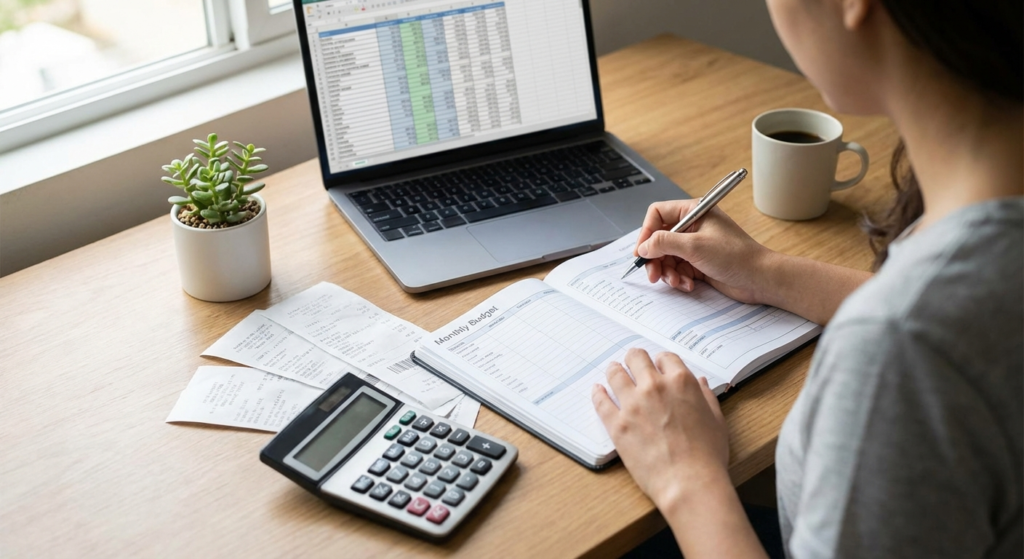
In an era where financial stability feels increasingly elusive, taking control of your money is more important than ever. The strategic use of budget planner tools is not just about restricting your spending; it is about creating a roadmap for your financial freedom. Whether you are looking to pay off debt, save for a dream vacation, or simply stop living paycheck to paycheck, understanding how to effectively utilize a planning tool is the first step toward success. By organizing your income and expenses, a budget planner empowers you to make informed decisions that align with your long-term goals.
Many people mistakenly believe that budgeting is a tedious chore reserved for accountants or the math-savvy. However, the modern budget planner has evolved into a user-friendly companion that simplifies complex financial data into actionable insights. From digital apps to traditional pen-and-paper journals, the right tool can transform your relationship with money from one of stress to one of confidence. In this comprehensive guide, we will explore the best practices, methodologies, and hidden benefits of incorporating a planner into your daily routine.
Why Every Household Needs a Dedicated Budget Planner
The primary reason most financial goals fail is a lack of visibility. Without a dedicated budget planner, money tends to “disappear” into small, unaccounted transactions—the morning coffee, the impulse subscription, or the unplanned dinner out. A planner acts as a mirror, reflecting your true spending habits back to you. It forces a level of accountability that is impossible to achieve through mental math alone.
Furthermore, using a planner helps in crisis management. Life is unpredictable, and emergencies—car repairs, medical bills, or sudden job loss—can happen at any time. A well-maintained budget helps you identify exactly how much you have in your emergency fund and where you can cut back immediately if income stops. It changes your reaction to financial stress from panic to calculated maneuvering.
Visualization of Wealth
Seeing your numbers written down helps visualize your path to wealth. It turns abstract goals like “retire early” into concrete monthly savings targets.
Debt Elimination
A planner organizes debts by interest rate or balance, allowing you to systematically attack them using the Snowball or Avalanche method.
Family Alignment
Using a shared planner ensures that partners and family members are on the same page regarding spending limits and financial objectives.
How to Select the Perfect Budget Planner for Your Needs
Not all planning tools are created equal, and the success of your financial journey often depends on choosing a format that fits your lifestyle. If you select a complex system that requires hours of data entry, you are likely to abandon it within weeks. Conversely, if the system is too simple, it may not provide the granular data you need to make changes. When evaluating the use of budget planner options, consider your daily habits and technical comfort level.
For those who are always on the go, mobile apps that sync with bank accounts are often the best choice. They automate the tracking process, reducing the friction of manual entry. However, for tactile learners who feel more connected to their goals when writing them down, a physical notebook or a printable template might be superior. This physical act of writing can reinforce the commitment to the budget.
Additionally, you must consider the cost. There is an ongoing debate regarding free vs paid online tools worth money. While premium planners often offer advanced analytics and automation, many free versions provide robust features sufficient for most households. Start with what you can afford and upgrade only when your financial complexity demands it.
Digital vs. Physical: Which Budget Planner is Right for You?
Choosing between digital and physical formats is a critical step in optimizing the use of budget planner tools. Digital planners, such as spreadsheets or specialized software, offer the advantage of automatic calculations. You can instantly see how a change in one category affects your overall bottom line. They are also easily searchable and can generate visual graphs of your spending history.
On the other hand, physical planners offer a distraction-free environment. When you open a budgeting app on your phone, you risk being distracted by notifications from social media or emails. A physical book demands your focused attention. Many experts suggest starting with a manual method to truly learn the rhythm of your finances before automating the process with digital tools.
Step-by-Step: Mastering the Use of Budget Planner Templates
Once you have selected your tool, the next challenge is implementation. A blank budget planner can be intimidating. The key is to break the process down into manageable steps that build upon one another. Consistency is far more valuable than perfection in the early stages.
- Calculate Total Income: List all sources of income, not just your primary salary. Include side hustles, dividends, and any irregular income. If your income fluctuates, estimate on the lower side to be safe.
- List Fixed Expenses: These are bills that do not change month-to-month, such as rent, mortgage, insurance premiums, and minimum debt payments.
- Estimate Variable Expenses: This includes groceries, entertainment, fuel, and utilities. Look at the past three months of bank statements to get an accurate average.
- Set the Bottom Line: Subtract expenses from income. If the number is negative, you must adjust your variable expenses immediately. If it is positive, assign every leftover dollar a job (savings or debt repayment).
Integrating Savings Goals into Your Budget Planner
A common mistake in the use of budget planner strategies is treating savings as an afterthought—something you do only if money is left over. Instead, treat your savings goals as a non-negotiable fixed expense. Whether you are saving for a down payment or a new car, create a specific line item in your planner for “Future Self.”
For example, if you are planning a wedding or a large family gathering, you might look at specialized tools or guides to help estimate costs. While you might not need a middle name generator for your budget, you certainly need to plan for the expenses of a growing family or future children. Allocating funds specifically for these life events ensures that when the time comes, the money is ready, preventing the need to rely on high-interest credit cards.
Comparing Popular Budgeting Methods
To get the most out of your planner, apply a proven budgeting methodology. Different methods suit different psychological profiles and financial situations.
The 50/30/20 Rule
Allocate 50% of income to needs, 30% to wants, and 20% to savings. This is ideal for beginners who want a simple framework without tracking every penny.
Zero-Based Budgeting
Every dollar is assigned a job until you have zero left at the end of the month. This method offers the highest level of control and efficiency.
The Envelope System
Cash is withdrawn for variable categories and placed in envelopes. Once the envelope is empty, spending stops. This is the ultimate cure for overspending.
Pay Yourself First
Prioritize savings contributions before paying any other bills. This ensures your long-term wealth grows regardless of short-term spending fluctuations.
Overcoming Challenges When You Start Using a Budget Planner
It is normal to face resistance when you first begin the use of budget planner routines. The first month is often a “draft” month where you realize your estimates were wrong. You might forget about an annual subscription or underestimate how much groceries cost due to inflation. Do not get discouraged. Adjust the numbers and keep going.
Another challenge is partner disagreement. Money is a leading cause of relationship stress. A budget planner can actually serve as a neutral third party. Instead of arguing about “your spending” versus “my spending,” you can both look at the planner and say, “The budget doesn’t allow for this right now.” It shifts the focus from personal blame to objective math.
Finally, avoid the “set it and forget it” mentality. A budget is a living document. It requires weekly check-ins. Set a calendar reminder for a “money date” with yourself or your partner every week to review transactions and adjust the planner for the remaining days of the month.
Advanced Strategies for Wealth Accumulation
Once you have mastered the basics, you can use your planner for advanced financial maneuvering. This includes sinking funds—saving small amounts monthly for large, expected expenses like Christmas gifts or car tires. This prevents these events from wrecking your monthly cash flow.
You can also use your planner to track net worth. While a budget tracks cash flow (income vs. expenses), net worth tracks wealth (assets vs. liabilities). Seeing your net worth grow over time is a powerful motivator that reinforces the discipline required to stick to your budget. For more authoritative advice on managing personal finances, resources like Consumer.gov offer excellent worksheets and government-backed guidance.
Furthermore, consider the impact of seasonal expenses. For instance, utility bills often spike in winter or summer. A robust planner allows you to use “budget billing” averages or set aside extra cash in mild months to cover the extreme ones. This level of foresight is what separates those who survive financially from those who thrive.
Conclusion
The consistent use of budget planner tools is one of the most effective habits you can cultivate for a secure future. It provides clarity where there is confusion and control where there is chaos. By choosing the right tool, adopting a solid methodology like Zero-Based Budgeting or the 50/30/20 rule, and remaining consistent despite early hurdles, you pave the way for financial independence. Remember, a budget is not a constraint; it is permission to spend money on what truly matters to you without guilt. Start today, and let your planner guide you toward your financial goals.
Frequently Asked Questions
For beginners, the 50/30/20 rule combined with a simple spreadsheet or a user-friendly app is often best. It offers a balance between structure and flexibility without overwhelming the user with too much data entry.
Ideally, you should track your expenses daily or every few days. At a minimum, perform a weekly review to ensure you are on track and a monthly deep dive to plan for the upcoming month.
Absolutely. By identifying unnecessary spending, a planner frees up cash flow that can be redirected toward debt payments. It also helps you organize debts to apply strategies like the Debt Snowball method effectively.
It depends on your personality. Apps are great for automation and math, while paper planners are excellent for memory retention and focus. Many successful budgeters use a hybrid approach.
Don’t panic. Adjust your planner by moving money from another category to cover the overspending. The goal is to keep the bottom line balanced, even if individual categories fluctuate.

