Are you flying blind in your SEO strategy? Managing search visibility without a rank tracker is like navigating a ship without a compass. In the fast-paced world of Search Engine Optimization, understanding exactly where your website stands in the Search Engine Results Pages (SERPs) is the foundation of growth. For digital marketers and business owners, this data isn’t just a luxury—it’s a necessity.
A rank tracker is more than a vanity tool. It is a sophisticated instrument that provides actionable data. It helps you pivot your strategy, uncover hidden opportunities, and dominate your niche. Whether you run a local shop or a global enterprise, these insights are invaluable. This guide explores how a rank tracker serves as the command center for your SEO efforts.
Understanding the Power of a Rank Tracker in Modern SEO
At its core, a rank tracker automates the process of checking your website’s position for specific keywords. However, modern tools have evolved. They now offer a panoramic view of your digital health. Why is this critical? Google’s algorithms change thousands of times a year. A page that ranks #1 today could drop to #5 tomorrow due to a core update or a competitor’s push.
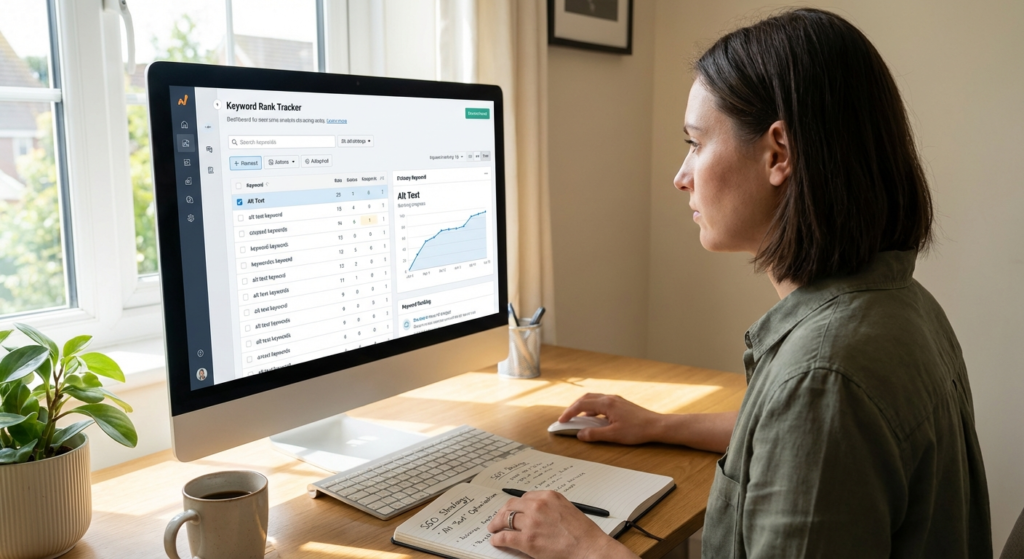
Using a rank tracker allows you to spot these fluctuations instantly. Instead of reacting weeks later when traffic dips, you can investigate immediately. Is it a technical glitch? Did search intent shift? The tool gives you the ‘what’ so you can solve the ‘why’. For agencies, these tools are essential for reporting. Clients want to see progress, and nothing is more convincing than a graph showing a steady climb to page one.
Historical Data Analysis
A quality rank tracker stores your history. This helps you correlate traffic changes with specific algorithm updates or website edits over time.
SERP Feature Tracking
Modern SEO isn’t just about blue links. Trackers monitor Featured Snippets, People Also Ask boxes, and Local Packs to find zero-click opportunities.
Cannibalization Detection
Identify when two of your own pages compete for the same keyword. This hurts performance, but a rank tracker helps you fix it fast.
How a Rank Tracker Reveals Competitor Strategies
One of the best features of a rank tracker is the ability to monitor competitors. SEO is a zero-sum game. To move up, someone else usually moves down. By tracking competitor domains, you gain a window into their strategy.
You can see which keywords they target and where they are losing ground. If a competitor suddenly ranks for new terms, they likely launched a new content hub. This insight allows you to counter-attack. You can improve your existing content or create something better. A rank tracker makes this competitive analysis ethical and highly effective.
Identifying Content Gaps with Your Rank Tracker
Beyond direct comparison, a rank tracker helps you find content gaps. If competitors rank for high-volume keywords you haven’t targeted, that is a massive opportunity. Analyzing their keyword profile helps you build a roadmap for future content that has proven demand.
Maximizing Local Visibility with a Rank Tracker
For local businesses, search results are hyper-localized. A search for “best coffee shop” in downtown looks different than a search from the suburbs. A global check won’t help you here. This is where a geo-specific rank tracker becomes indispensable.
Advanced trackers simulate searches from specific zip codes. This data helps you see how you perform in your immediate service area. If you rank #1 in your city but #10 in the next town, you know you need better location-specific landing pages or a stronger Google Business Profile strategy.
Zip Code Tracking
Pinpoint your rankings in specific neighborhoods to dominate hyper-local search intent.
Google Maps Tracking
Monitor your position in the “Local Pack.” These map results often drive more calls than standard organic links.
Data-Driven Decisions: Beyond Just Rankings
Rankings are a means to an end: revenue and ROI. Just as you might use long-term investment planning to forecast financial growth, you must view SEO data as a long-term asset. A rank tracker often integrates with Google Search Console to overlay ranking data with conversion metrics.
For example, you might rank #1 for a term that drives zero sales. Meanwhile, a keyword at #4 might have a high conversion rate. This data tells you to prioritize the #4 keyword. To analyze these metrics further, you can use specialized calculator tools to determine the exact ROI of your marketing efforts.
Using a Rank Tracker for Mobile Optimization
With mobile-first indexing, your smartphone ranking is critical. A robust rank tracker monitors mobile and desktop rankings separately. It is common to see gaps due to page speed or mobile layout issues. If your tracker shows a drop on mobile but not desktop, you have an immediate technical SEO task to fix.
Selecting the Right Rank Tracker for Your Budget
When choosing a rank tracker, consider these four factors:
- Update Frequency: Do you need daily data or weekly? High-volatility niches need daily updates.
- Keyword Volume: Ensure the plan scales as your keyword list grows.
- Location Accuracy: Local businesses need precise geo-targeting support.
- Reporting: Look for white-label reports if you manage clients.
The tool provides the map, but you must drive the strategy. Investing in accurate data is crucial for long-term success. For more on data measurement, see Moz’s Guide to Tracking.
Conclusion
In the competitive world of search, ignorance is a disadvantage. Using a rank tracker transforms SEO from a guessing game into a science. It empowers you to defend your positions, find new opportunities, and optimize for the specific locations your customers live in.
Stop guessing and start growing. By integrating rank tracking into your weekly workflow, you ensure your digital strategy remains agile. Ready to dominate the SERPs? Choose a reliable rank tracker today and turn your data into market dominance.
Frequently Asked Questions
For most sites, checking once a week is enough to see trends. If you just launched a new campaign, daily checks help monitor immediate impact.
No. A rank tracker is a diagnostic tool. It measures performance, but content quality and backlinks drive the actual rankings.
Small movements are normal due to algorithm testing and personalized search. Only worry if you see a significant, multi-week drop.
Yes. Premium tools offer better accuracy, competitor insights, and mobile tracking that free versions lack.
Yes, searching manually can skew your CTR data. A rank tracker provides unbiased results without affecting your site’s metrics.