
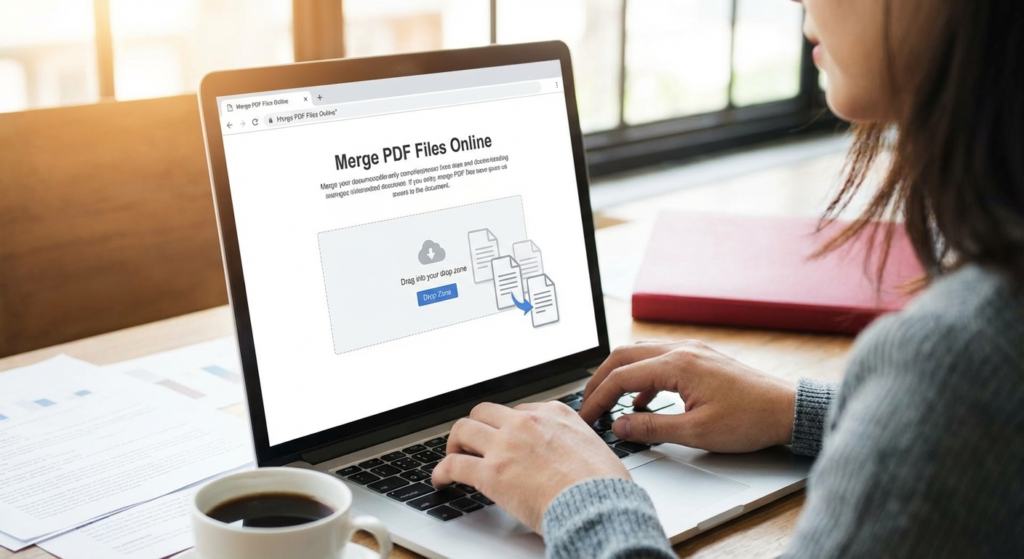
In today’s fast-paced digital world, mastering document management is no longer a nice-to-have skill; it’s an absolute necessity. As students, seasoned professionals, and savvy business owners, we’re constantly bombarded with a deluge of digital documents – invoices, resumes, cover letters, intricate project reports – scattered across countless folders and cloud drives. The ability to **merge PDF** files online into a single, cohesive, and easily shareable document is not just a convenient trick; it’s a fundamental productivity superpower. Think about it: compiling a polished portfolio, submitting crucial legal documents, or even just sharing vacation photos with family becomes infinitely simpler and more professional when you can seamlessly combine multiple files into one.
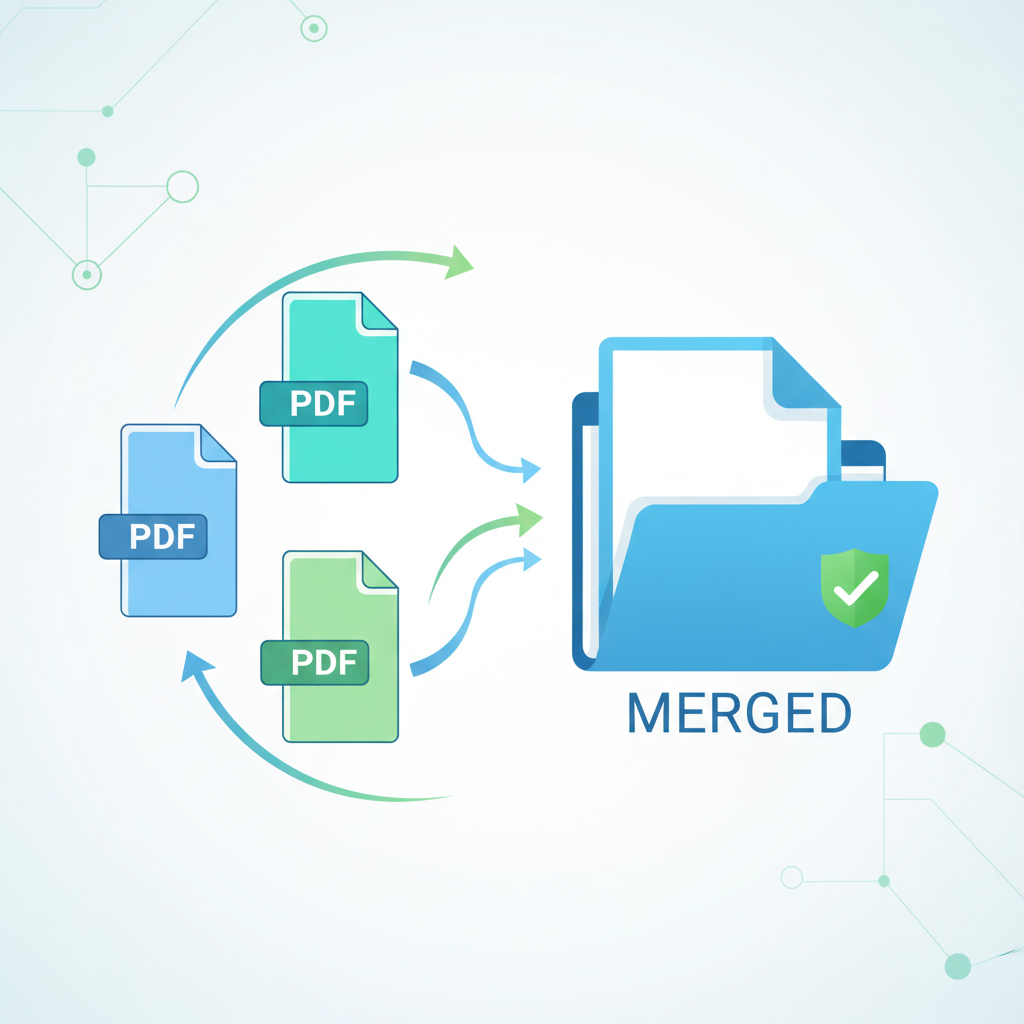
I’ve spent over two decades wrestling with document workflows, and let me tell you, the simple act of merging PDFs has saved me countless hours and spared me from more than a few headaches. When you **merge PDF** documents effectively, you eliminate the frustrating hassle of sending multiple attachments in an email – a practice that can easily overwhelm recipients or, worse, trigger those dreaded spam filters. Instead, you present a unified, well-organized package that screams professionalism and respect for the other person’s time. In this ultimate guide, I’m going to walk you through everything you need to know about this essential process, from the nitty-gritty technical steps to the critical security considerations you absolutely must keep in mind. Get ready to transform your digital chaos into a streamlined, organized, and efficient digital life.
Why You Need to Merge PDF Files for Maximum Efficiency
Creating a truly streamlined workflow is the number one reason why users actively seek to **merge PDF** files. Let’s paint a picture: imagine you’re a graduate student preparing to submit your magnum opus – your thesis. You’ve meticulously crafted your title page, painstakingly written each chapter, and compiled an exhaustive bibliography, all saved as separate files. Now, here’s the deal: submitting each of these components individually not only looks unprofessional but also significantly increases the risk of a file getting misplaced or overlooked. By seamlessly combining them into a single, unshakeable document, you project an image of competence and attention to detail.
But the benefits don’t stop there. Archiving becomes exponentially easier. Instead of wrestling with hundreds of single-page invoices scattered across your hard drive, you can **merge PDF** records by month, quarter, or year, drastically reducing digital clutter and making information retrieval a breeze. This practice is widely endorsed by productivity gurus who champion the principles of digital minimalism. In fact, according to a study by McKinsey, employees spend nearly 20% of their workweek searching for information (Source: McKinsey Global Institute, 2012). Merging PDFs can directly combat this inefficiency.
Enhanced Professionalism
Sending a single, impeccably organized file demonstrates a keen eye for detail and respect for the recipient’s valuable time. It tells them you’re serious and that you value their experience interacting with your documents.
Easier Printing
Imagine the sheer convenience of printing one cohesive document instead of wrestling with opening and printing ten separate files. This not only saves you precious time but also significantly reduces the potential for errors and misprints.
Simplified Sharing
Let’s face it: one neatly packaged link or attachment is infinitely easier to distribute via email, messaging apps, or cloud storage platforms than a chaotic jumble of a dozen separate downloads. Simplicity is key!
Step-by-Step: How to Merge PDF Files Online Like a Pro
The process of how to **merge PDF** files online has evolved into an incredibly user-friendly experience. Most modern tools operate on a simple drag-and-drop basis, requiring absolutely no technical coding knowledge whatsoever. However, understanding the underlying sequence of steps ensures that you achieve the perfect result every single time. Trust me; I’ve seen too many people skip a step and end up with a disorganized mess.
- Selection: Start by meticulously locating all the documents you wish to combine into a single masterpiece. It’s best practice to gather them into a dedicated folder on your computer or cloud storage service before you even begin.
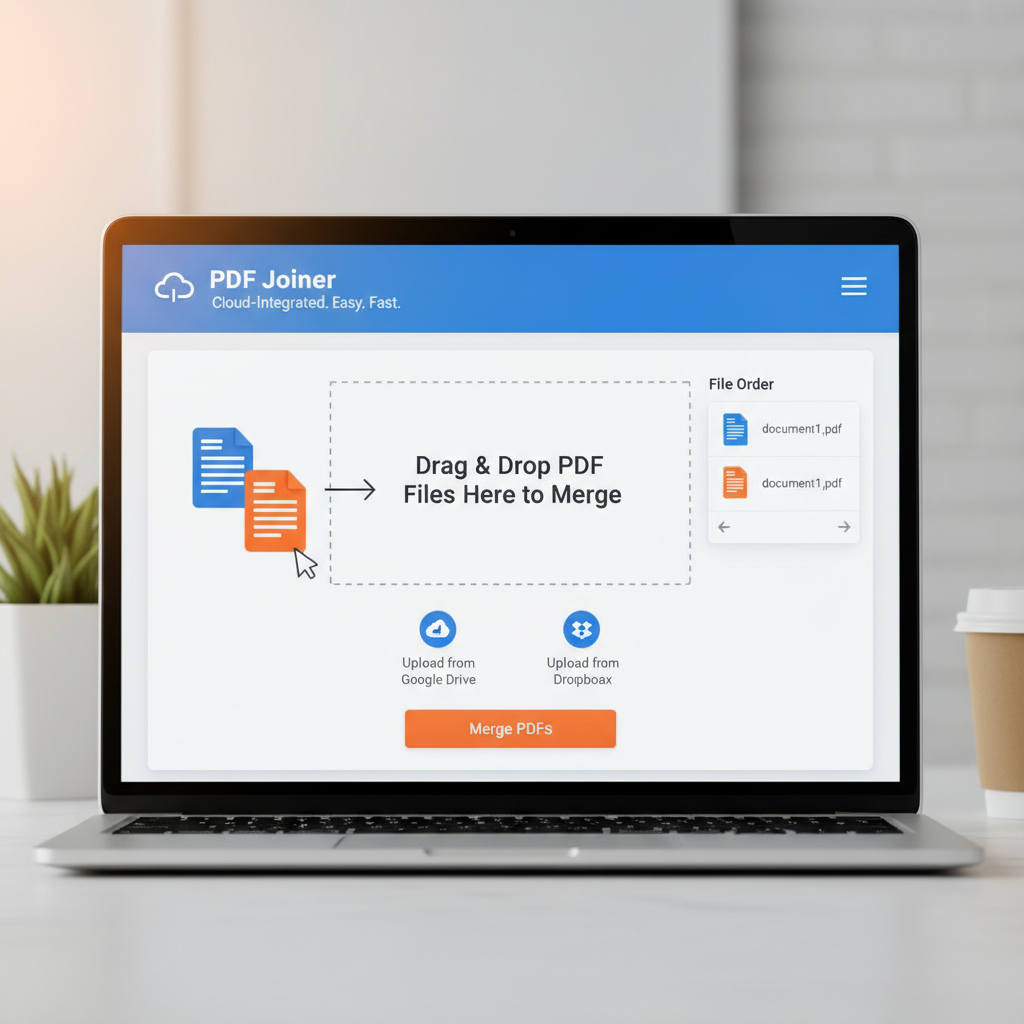
- Upload: Now, for the fun part: drag your carefully selected files directly into the online tool’s designated area. The majority of platforms offer seamless integration with popular cloud services like Google Drive, Dropbox, and OneDrive, allowing you to upload files directly without having to download and re-upload them.
- Arrangement: This is where the magic happens – and where many people stumble. Once uploaded, take a moment to carefully drag and drop the thumbnails to arrange the pages in the precise order you desire. Pay close attention to the flow of your document; this is your chance to tell a story!
- Merge: With everything in its rightful place, click the prominent “Merge” or “Combine” button to initiate the merging process. Depending on the size and complexity of your files, this might take a few seconds or a few minutes, so be patient.
- Download: Once the merging is complete, save your newly created file to your device or preferred cloud storage location. Give it a descriptive name so you can easily find it later.
If you’re a content creator who frequently compiles resources, you’ll find this workflow remarkably similar to how you organize your digital assets. And for those of you looking to expand your digital toolkit beyond just PDFs, I highly recommend checking out the best content creation tools for bloggers and marketers. It’s a treasure trove of insights into the world of digital organization and productivity.
Top Features to Look for When You Merge PDF Documents Like a Pro
Let’s be honest: not all PDF merging tools are created equal. When you’re on the hunt for the perfect solution to **merge PDF** files, you absolutely need to ensure that the platform handles your precious data with the utmost care and precision. A subpar tool can wreak havoc on your documents, potentially lowering the resolution of your images, garbling the formatting of your text, or even introducing unwanted watermarks. I’ve seen it happen, and it’s not pretty.
Drag-and-Drop Interface
An intuitive, user-friendly UI is absolutely essential. You should be able to effortlessly reorder pages visually before you finalize the merge, without having to decipher cryptic menus or navigate a confusing interface.
Cloud Integration
The best tools seamlessly connect directly to your favorite cloud storage services, saving you the time and bandwidth of downloading and re-uploading files. Look for integrations with Google Drive, Dropbox, OneDrive, and more.
Cross-Platform Compatibility
Whether you’re a die-hard Windows user, a Mac enthusiast, or a Linux aficionado, the tool should function flawlessly via a web browser, without requiring you to install any clunky software or worry about compatibility issues.
Security Considerations When You Merge PDF Data: Don’t Get Hacked!
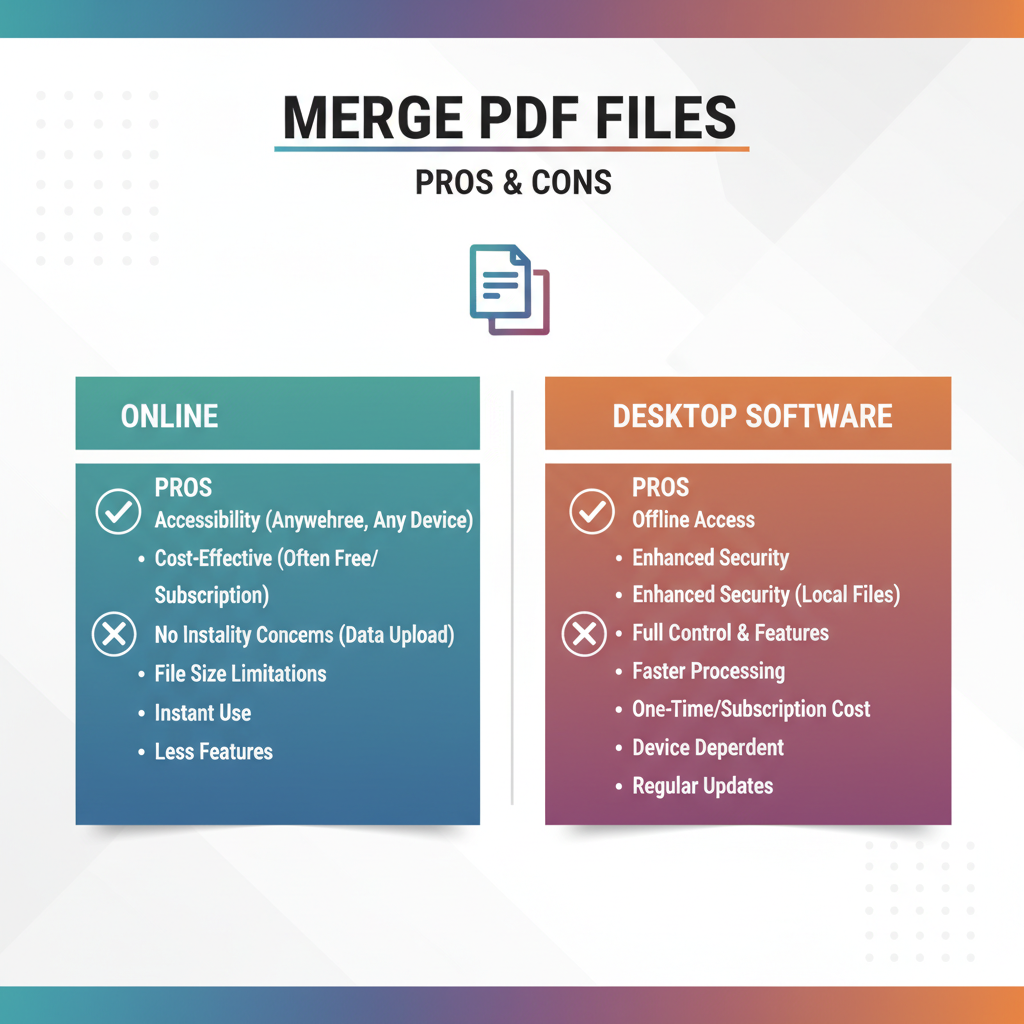
Security is, without a doubt, a paramount concern when you’re handling sensitive digital documents. When you upload files to **merge PDF** online, you’re essentially entrusting your data to a remote server. That’s why it’s crucial to choose a reputable service that employs robust security measures. Look for platforms that use at least 256-bit SSL encryption to ensure that your file transfers are protected from prying eyes. Furthermore, trustworthy platforms should have a crystal-clear data policy that outlines how your files are handled and when they are automatically deleted from their servers (typically within one hour).
For highly confidential documents, such as bank statements, legal contracts containing personal identification, or top-secret business plans, always take the time to thoroughly review the website’s privacy policy before uploading anything. According to Adobe, the creators of the PDF standard, robust security protocols are embedded within the format itself, but the ultimate responsibility for safeguarding your data rests on the shoulders of the tool you choose to use.
Common Scenarios for Merging PDFs: You’ll Be Surprised How Often You Need This!
Who exactly needs to **merge PDF** files? The truth is, the use cases are incredibly vast and varied, spanning across countless industries and professions. Understanding these common scenarios can help you realize just how often this simple yet powerful tool can come to your rescue and save the day.
- Legal Professionals: Lawyers frequently need to combine affidavits, crucial evidence, and various court forms into a single, comprehensive case file for seamless presentation in court.
- Real Estate Agents: Real estate professionals often compile property details, high-resolution images, and complex contract forms into a single, visually appealing brochure for potential clients.
- Job Seekers: Savvy job seekers know that merging a compelling cover letter, a polished resume, and an impressive portfolio into one application file ensures that the recruiter sees everything in context and gets a complete picture of their qualifications.
- Researchers: Academic researchers routinely combine various journal articles, raw data sheets, and supporting documentation into a single, easily navigable reference document for their research projects.
- Educators: Teachers often compile lesson plans, student worksheets, and assessment materials into a single, organized document for each unit of study.
- Accountants: Accountants frequently merge financial statements, tax documents, and supporting schedules into a single, comprehensive report for their clients.
In some cases, these documents may contain technical data formats. If you’re a developer working with data interchange formats alongside your documentation, you might find valuable resources in the JSON tools category, which offers a wealth of information on managing code-based data structures.
Preserving Quality When You Merge PDF Files: Don’t Let Your Documents Get Ruined!
One of the most common fears associated with merging PDFs is that the quality of the document will inevitably degrade. Will the text become blurry and illegible? Will the images become pixelated and unattractive? The good news is that when you use a high-quality PDF merging engine, the system should seamlessly preserve the original vector data of the text and the resolution of the images, ensuring that your document looks just as crisp and clear as the original.
However, if your input files are particularly massive, the resulting merged file might become too large to easily email or share online. In this case, you may want to look for a tool that offers a “Merge and Compress” functionality. This clever feature optimizes the file size by intelligently removing redundant metadata and compressing images without significantly impacting the visual quality. It’s a delicate balancing act, but the best tools can pull it off seamlessly.
Can I Merge PDF Files on Mobile? Absolutely! Here’s How
Absolutely! One of the greatest advantages of online PDF merging tools is that they are inherently browser-based. Whether you’re rocking an iPhone, an Android device, or even a trusty old tablet, you can effortlessly **merge PDF** files directly from your mobile browser, without having to install any cumbersome apps or deal with compatibility issues. This is particularly useful for students who need to quickly snap photos of their assignments, convert them to PDF, and merge them into a single, polished submission while they’re on the go.
As noted by reputable technology resource sites like Lifewire, the inherent versatility of the PDF format allows it to be manipulated across virtually all operating systems without losing formatting or fidelity, making mobile merging a reliable and convenient option.
Conclusion: Take Control of Your Documents Today!
Mastering the seemingly simple ability to **merge PDF** files is a small skill that can yield massive returns in terms of productivity, organization, and overall efficiency. By seamlessly combining scattered documents into unified, professional-looking files, you streamline your communication, declutter your digital storage, and project an image of competence and attention to detail. Just remember to prioritize security by carefully selecting reputable tools and always double-check your final document for formatting consistency. Whether you’re a student, a business professional, or simply someone who wants to take control of their digital life, the power to organize is now at your fingertips.
So, what are you waiting for? Start merging those PDFs today and experience the transformative power of organized documents!
Frequently Asked Questions
Yes, it’s generally safe to merge PDF files online, provided you stick to reputable websites that utilize SSL encryption and have a clear policy of automatically deleting files from their servers after processing. Always take a moment to review the privacy policy before uploading any sensitive data.
Most online tools allow you to easily arrange the files before you hit the merge button. However, if you’ve already merged them and need to tweak the order, you’ll typically need to use a “Split” or “Organize” tool to rearrange the pages.
Most free online tools impose a limit on the number of files (e.g., 20 files) or the total file size (e.g., 50MB) per session. However, premium versions typically remove these limitations, allowing you to merge larger files and greater quantities of documents.
Generally, no. A well-designed PDF merger simply combines the data containers without altering the internal content. However, if you opt for a tool that also compresses the file, you might notice a slight reduction in image quality to conserve space. It’s a trade-off to consider.
That’s the beauty of online tools! You can perform the entire process within your web browser (Chrome, Safari, Firefox, etc.) without the need to download or install any bulky software. It’s all about convenience and accessibility.
Several reputable online tools offer free PDF merging services. Look for well-known brands with strong security and privacy policies. Be aware of limitations on file size and the number of merges per day. For frequent use, a paid subscription may be more suitable.
Read Also:
- 7 Proven Strategies to Merge PDF Files Online: The Ultimate Guide
- EMI Calculator for Loans: The Ultimate Guide to Smart Borrowing
- Lap Time Calculator: Find Your True Race Pace in 2026
- Image Similarity Search: How AI Sees in 2026 (Explained)
- Locked Out? Free Your PDFs in 2026!
- Mirror Text Secrets: Your 2026 Guide