The Evolution of Search Strategy: Semrush vs Ahrefs in 2026
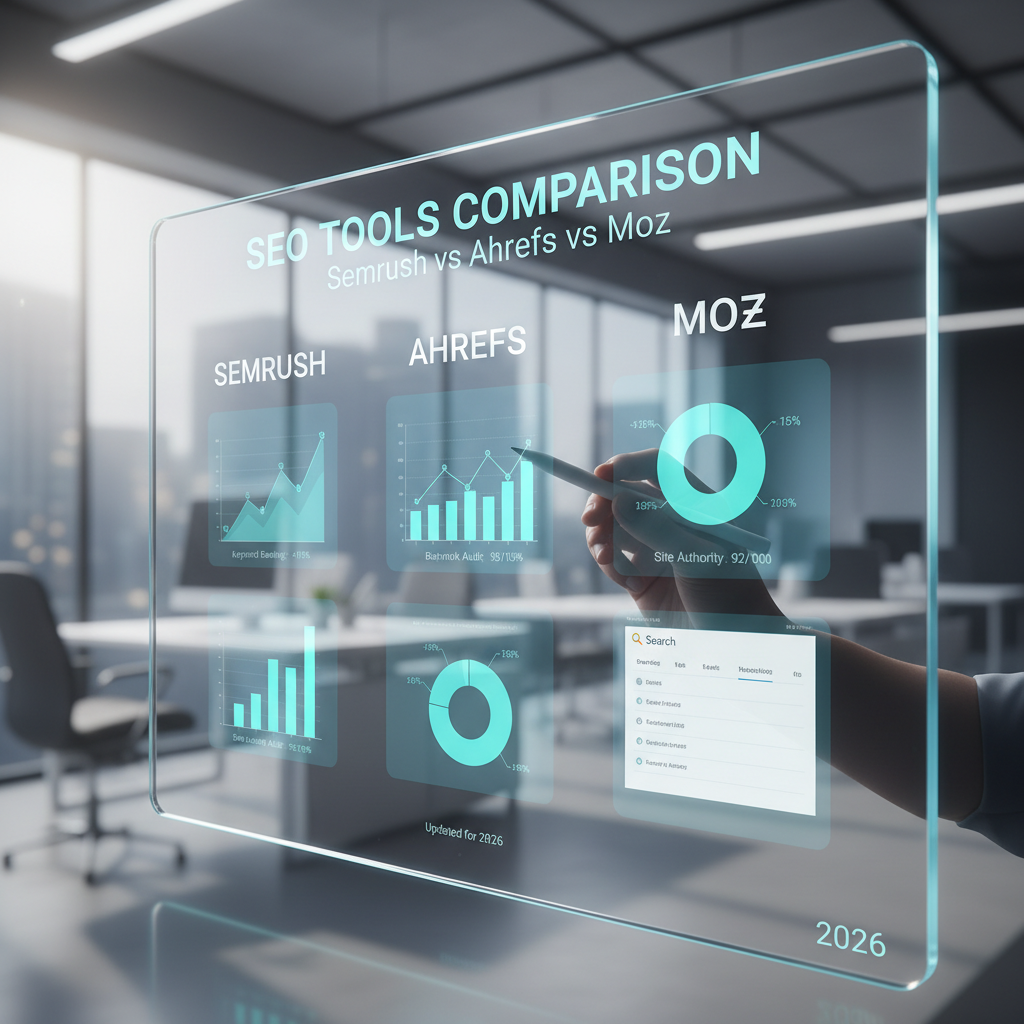
As we navigate the complex digital landscape of 2026, choosing the right software for your search engine strategy is more critical than ever. The perennial debate of Semrush vs Ahrefs continues to dominate discussions among digital marketers, with Moz still holding its ground as a reliable veteran in the space. In an era where AI-driven search and predictive analytics define the winners, these platforms have evolved from simple keyword trackers into comprehensive market intelligence suites. Whether you are a solo entrepreneur or a large-scale agency, understanding the nuances of these tools is essential for maintaining a competitive edge.
Modern SEO is no longer just about ranking for a handful of keywords; it is about holistic digital visibility. With search engines like Google and Bing integrating generative AI into their core algorithms, tools like Semrush and Ahrefs have had to reinvent their data processing capabilities. For a deeper look at how these tools have changed over the years, you can review our previous Semrush vs Ahrefs vs Moz comparison for historical context. Today, we look forward to the features that define the industry in 2026.
Semrush: The All-in-One Marketing Powerhouse
Semrush has long been regarded as the Swiss Army knife of digital marketing. By 2026, it has solidified its position as a platform that goes far beyond traditional SEO. It offers a massive suite of tools covering competitive research, PPC advertising, social media management, and content marketing. The platform’s ability to provide a 360-degree view of a competitor’s digital footprint is nearly unparalleled.
One of the standout features of Semrush in 2026 is its advanced AI Writing Assistant and Content Analyzer. It doesn’t just suggest keywords; it predicts the intent of the searcher with high accuracy, allowing creators to tailor their content to meet specific user needs. Furthermore, its ‘Share of Voice’ metric has become the industry standard for measuring brand authority across various digital channels. According to Search Engine Land, digital visibility is now measured by the breadth of presence across multiple AI-driven answer engines, a metric Semrush tracks diligently.
Ahrefs: The King of Data and Backlink Analysis
Ahrefs has built its reputation on the strength of its crawler. In 2026, it remains the preferred choice for technical SEOs and link-building specialists. Its link index is updated in near real-time, providing insights into new and lost backlinks that are often missed by other tools. The user interface of Ahrefs continues to be praised for its cleanliness and intuitive navigation, making complex data sets easy to digest.
The Site Explorer tool in Ahrefs has evolved to include ‘Generative Search Visibility,’ a feature that tracks how often a website is cited in AI-generated summaries. This is a game-changer for businesses looking to optimize for the future of search. While Ahrefs has historically been more focused on organic search, its recent expansions into paid search data and YouTube SEO have made it a more versatile contender in the Semrush vs Ahrefs rivalry.
Moz: The Educator and Authority Pioneer
Moz occupies a unique niche in the SEO ecosystem. While it may not offer the sheer volume of features found in Semrush, it excels in reliability and ease of use. Moz Pro is often the go-to tool for those who value data accuracy and educational resources. The platform’s proprietary metrics, such as Domain Authority (DA) and Page Authority (PA), remain fundamental benchmarks for the industry.
In 2026, Moz has doubled down on its ‘Moz Local’ services, making it the premier choice for brick-and-mortar businesses looking to dominate local search results. Its keyword research tool, while simpler than its competitors, provides incredibly high-quality data that filters out much of the noise found in larger databases. For many, Moz represents a more focused, less overwhelming entry point into professional SEO.
Keyword Research
Semrush offers the largest keyword database, while Ahrefs provides superior click-stream data. Moz focuses on high-relevance ‘Priority’ scores to help you choose the best targets.
Backlink Auditing
Ahrefs leads with the fastest crawler, but Semrush offers a robust ‘Backlink Audit’ tool that helps identify and disavow toxic links effectively.
Technical SEO
All three tools offer site audits, but Semrush provides more actionable ‘how-to-fix’ advice, whereas Ahrefs offers deeper technical granularity.
Market Intelligence
Semrush wins in this category, offering insights into competitor ad spend, social media engagement, and even marketplace performance on platforms like Amazon.
Semrush vs Ahrefs: The 2026 Feature Showdown
When comparing Semrush vs Ahrefs directly, the decision often comes down to your specific workflow. Semrush is designed for the marketer who wants everything in one place. If you are managing SEO, PPC, and Social Media, the integration within Semrush saves hours of switching between tabs. Their ‘Keyword Magic Tool’ remains a fan favorite, offering millions of keyword suggestions with just a few clicks.
On the other hand, Ahrefs is the choice for the data purist. Their ‘Keywords Explorer’ provides more granular data on search volume trends and return rate, which is invaluable for long-term planning. In 2026, Ahrefs has also improved its ‘Content Explorer’ to better identify trending topics before they become saturated, giving users a first-mover advantage. As noted by experts at HubSpot, the ability to identify emerging trends is the cornerstone of a successful 2026 content strategy.
Keyword Research Capabilities: Semrush vs Ahrefs
In the realm of keyword research, both tools have integrated AI to help identify ‘semantic clusters’ rather than just individual keywords. Semrush excels at showing you the ‘Keyword Gap,’ highlighting exactly where your competitors are outranking you and what terms you are missing. Ahrefs counters this with its ‘Parent Topic’ feature, which helps you understand how to structure a pillar page to rank for hundreds of related terms simultaneously. The Semrush vs Ahrefs debate in this category is a tie, as both provide world-class data.
Technical SEO and Site Auditing: Semrush vs Ahrefs
Technical SEO has become more automated in 2026. Both Semrush and Ahrefs offer scheduled audits that crawl your site and flag issues like broken links, slow loading pages, and missing meta tags. Semrush’s ‘Site Audit’ tool is particularly user-friendly, providing a health score and prioritizing fixes based on their impact on rankings. It also integrates directly with Trello and Zapier, making it easy to turn audit findings into tasks for your development team.
Ahrefs’ Site Audit is equally powerful but offers a more visual ‘Link Map’ that helps you understand how link equity is flowing through your site. This is crucial for large enterprise websites with complex architectures. When looking at Semrush vs Ahrefs for technical health, Ahrefs is slightly better for visualizing internal link structures, while Semrush is better for project management integration.
Pricing Structures: Semrush vs Ahrefs for Modern Businesses
Pricing remains a significant factor for many businesses. In 2026, both platforms have moved toward a usage-based pricing model, which can be expensive for power users. Semrush typically starts at a higher price point but includes more features in its base plans. Ahrefs offers a lower entry point but charges for additional ‘credits’ as you use more data. This makes the Semrush vs Ahrefs pricing comparison a matter of volume versus variety.
For startups and small businesses that find these enterprise tools out of reach, there are more affordable alternatives. You can explore a variety of budget-friendly options in the SEO tools category on Tools River. These tools offer essential functions like keyword checking and simple auditing without the enterprise-level price tag, making them perfect for those just starting their digital journey.
Feature Comparison Table: 2026 Edition
| Feature | Semrush | Ahrefs | Moz Pro |
|---|---|---|---|
| Keyword Database | 25B+ Keywords | 20B+ Keywords | Moderate |
| Backlink Index | Fast | Fastest | Reliable |
| Content AI Tools | Advanced | Standard | Basic |
| PPC Data | Extensive | Good | Limited |
| Ease of Use | Moderate | High | Very High |
ROI Analysis: Getting the Most Value
When calculating the Return on Investment (ROI) for these tools, consider the cost of the time saved. A tool that costs $200 a month but saves your team 10 hours of manual data collection is worth every penny. Semrush offers a high ROI for multi-channel agencies because it replaces the need for separate social media and PPC tools. Ahrefs offers high ROI for niche site builders and SEO agencies where link building is the primary service. Moz offers the best ROI for small business owners who need to manage their own SEO without a steep learning curve.
Semrush vs Ahrefs: The Verdict for 2026
Choosing between Semrush vs Ahrefs in 2026 ultimately depends on your goals. If you want a platform that covers every aspect of digital marketing—from SEO and PPC to Social Media and PR—Semrush is the clear winner. Its comprehensive nature makes it an indispensable tool for modern marketing departments. However, if your focus is purely on SEO, technical excellence, and superior backlink data, Ahrefs remains the gold standard.
Moz remains a strong contender for those who value simplicity and local SEO focus. Regardless of which tool you choose, the key to success in 2026 is consistency. SEO is a marathon, not a sprint, and these tools are the high-performance gear you need to cross the finish line.
FAQs
Generally, Ahrefs is considered more intuitive for beginners due to its cleaner interface, but Semrush offers more guided tutorials and an all-in-one approach that can be more beneficial in the long run.
Both tools are highly accurate, but Ahrefs is often cited for having slightly better click-stream data, which helps in understanding how many searches actually result in a click.
Both Semrush and Ahrefs offer limited free versions or trials. For completely free alternatives, you can check out specialized tools on platforms like Tools River.
Yes, Moz is still highly relevant, particularly for its Domain Authority metric and its specialized tools for Local SEO, which are among the best in the industry.
Ahrefs is widely considered the superior tool for link building due to its massive and fast-updating backlink index and its powerful ‘Link Intersect’ feature.
Conclusion
In the final analysis of Semrush vs Ahrefs vs Moz, there is no single “best” tool—only the best tool for your specific needs. Semrush is the ultimate marketing suite, Ahrefs is the data specialist’s dream, and Moz is the reliable educator. By understanding your own requirements and the unique strengths of each platform, you can invest in a tool that will drive your search engine success throughout 2026 and beyond. Remember to leverage the data these tools provide to create high-quality, user-centric content that stands the test of time.